Drifting into the soul of India
An unscripted journey on the Hooghly and Ganges opens a window onto life in West Bengal
By Jeannine Williamson
I thought I knew what to expect from India: colour, crowds, intensity and multiple layers of history. What I didn’t expect was to find myself tiptoeing past a sleeping street dog on a mosaic-tiled floor in a working courtroom. One minute I was strolling beneath banyan trees along the peaceful riverside promenade in Chandernagore, the next I was being ushered into a grand red-brick building by uniformed guards.
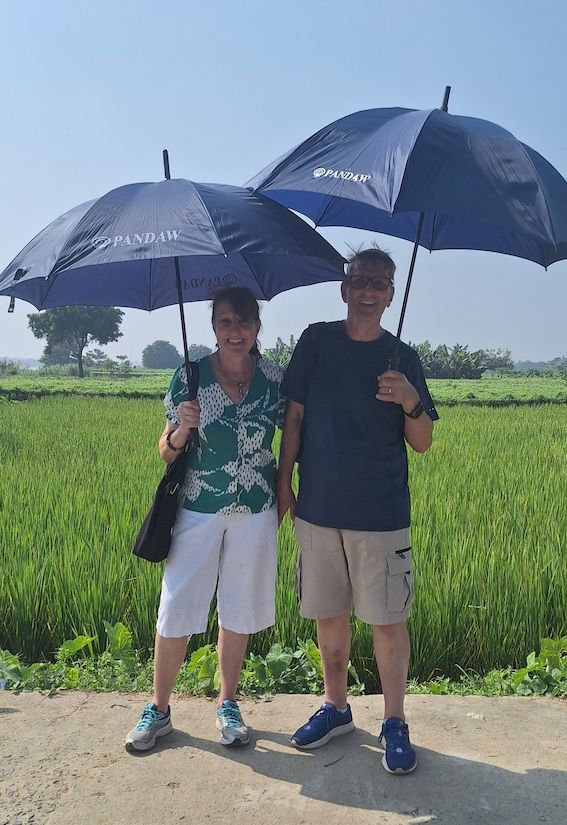
No crime had been committed, I hasten to add. The detour was orchestrated by our guide Deepak, and it perfectly summed up my nine-day river journey through West Bengal with small-ship specialist Pandaw.
Chandernagore, a former French trading post north of Kolkata, is one of many stops on Pandaw’s new Hooghly River itinerary. Inside the old colonial building — once the Hotel de Paris, now the local court — time seemed suspended. Clerks in white shirts pounded at clackety typewriters, paper files rose in precarious towers and black-gowned barristers hurried past. We were outsiders, but entirely welcome, and granted a glimpse into everyday life that no guidebook could promise.
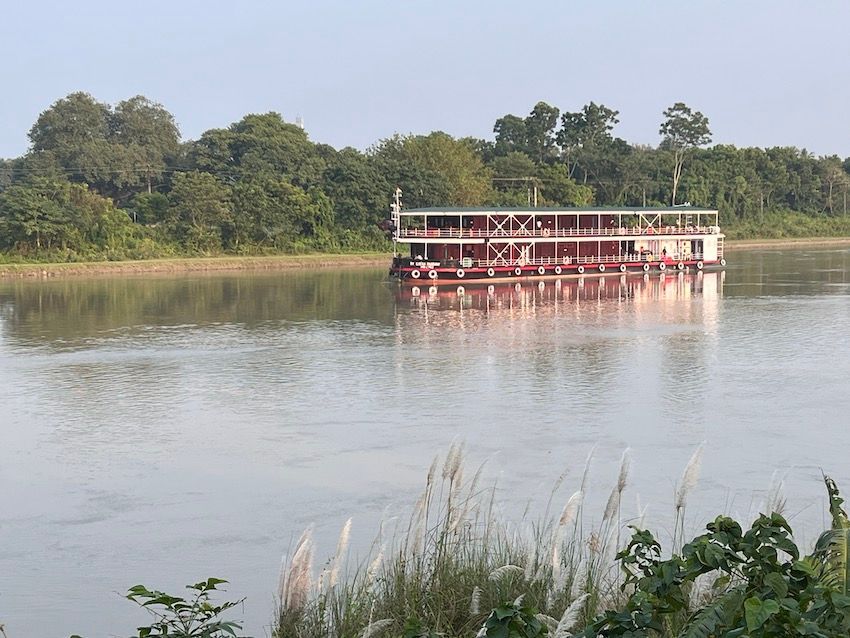
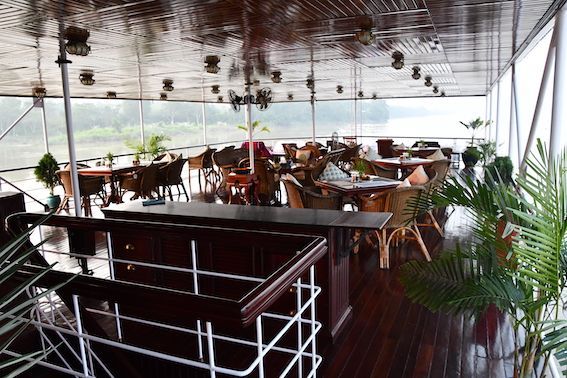
That sense of slipping behind the scenes defined this journey, which began with two fascinating days in Kolkata, the capital of British India from 1772 until 1911. Boarding the 24-passenger Katha Pandaw, I was greeted with showers of flower petals, marigold garlands and warm smiles from the captain and crew. My multinational fellow travellers – couples, solo explorers, two sisters and a pair of friends — quickly started to bond over an al fresco lunch on the top deck.
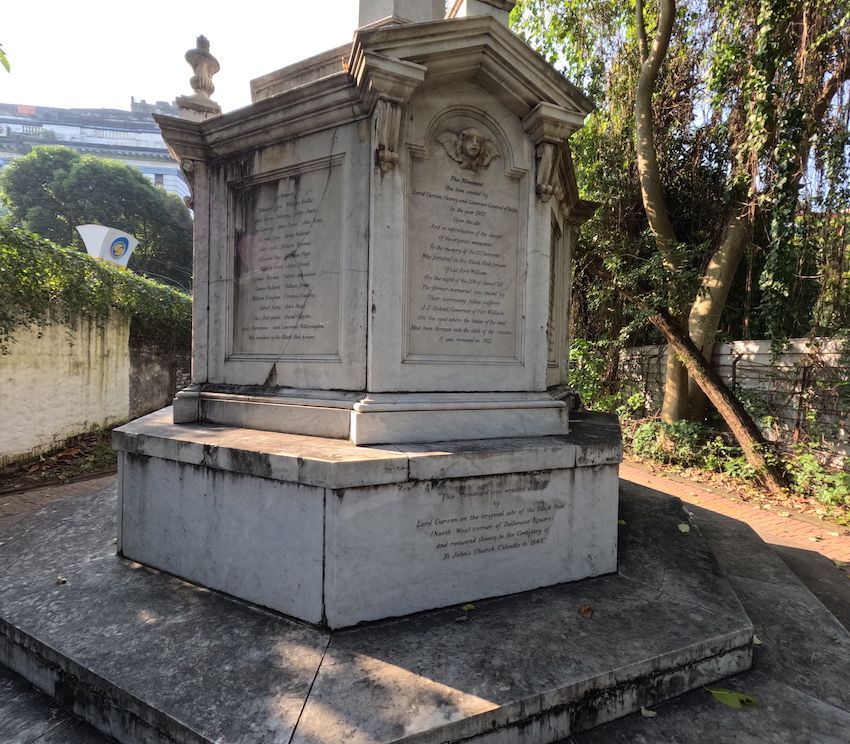
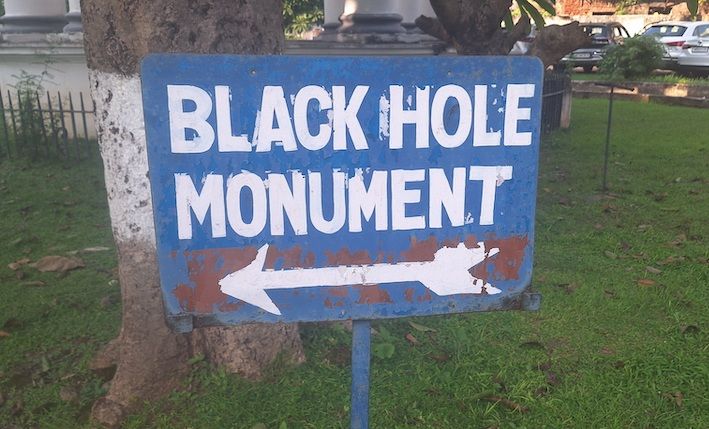
Our first excursion took us to the memorial marking the infamous Black Hole of Calcutta, a sombre reminder of the 1756 imprisonment of British captives and the events that reshaped India’s history.
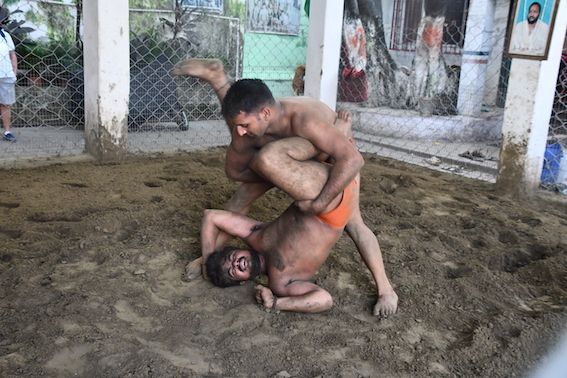
Next day, before dawn, we rose to visit an akhara, a sacred wrestling ground hidden away in the city. Two men grappled on the fragrant earth mixed with turmeric, milk and mustard oil, their movements powerful and precise. Kushti, an ancient form of wrestling, is as much a spiritual discipline as a physical contest. After hours of training, the wrestlers bathed in the Hooghly River – a major branch of the sacred Ganges which splits off in West Bengal – before heading off to ordinary day jobs. Observing this ritual felt deeply privileged.
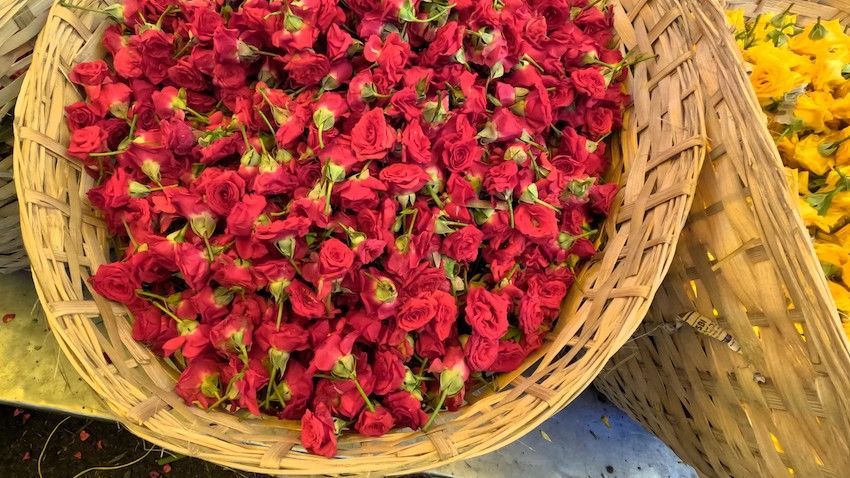
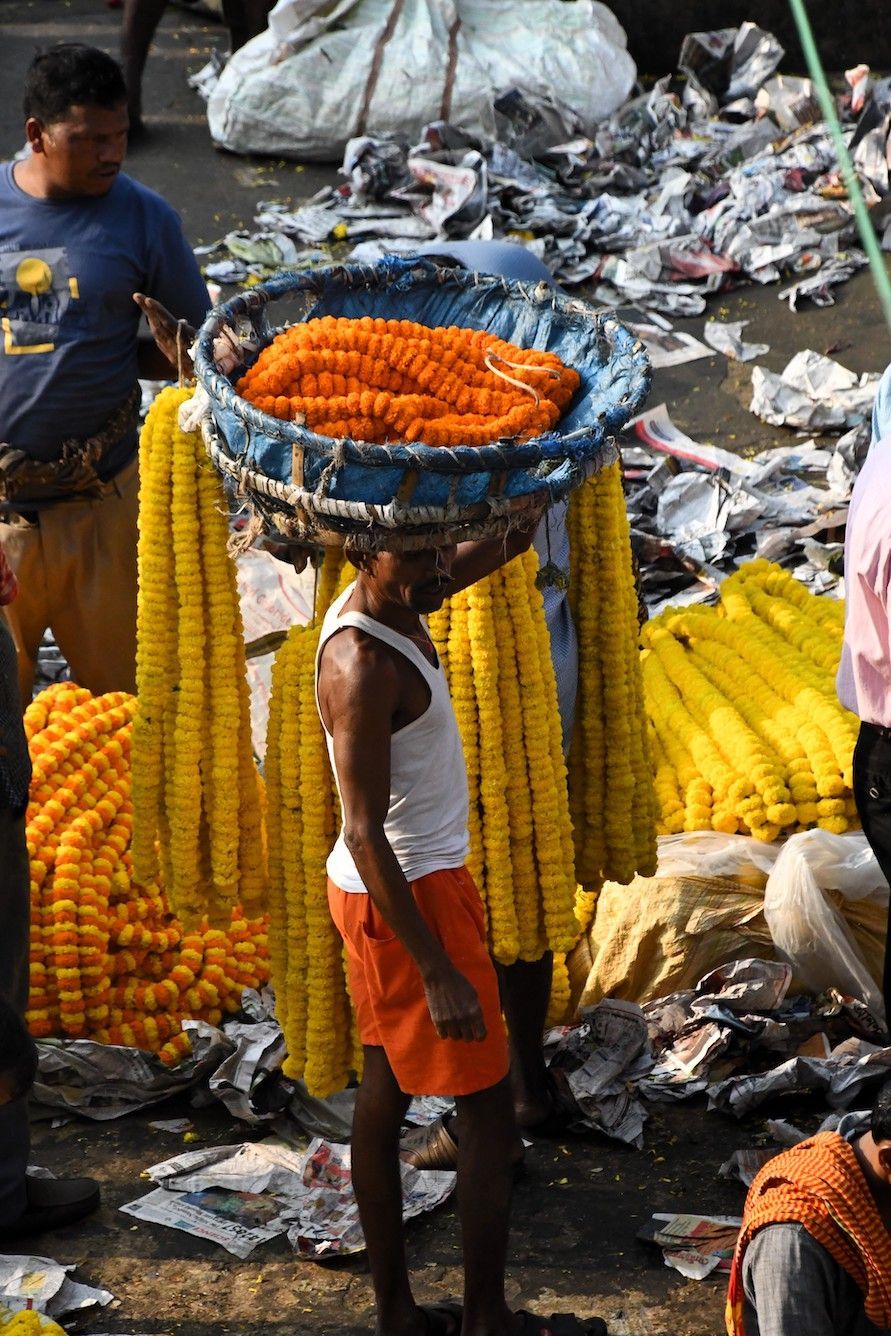
From there we plunged into a riot of colour at Malik Ghat Flower Market, one of the largest in Asia. Porters balanced enormous saucer-shaped baskets, overflowing with marigolds, roses and jasmine, on their heads while traders sat cross-legged as they strung garlands for temples, weddings and festivals. A gentle breeze carried the sweet floral scent through the narrow market passageways as the city woke around us.
Soon after, we set sail and Kolkata’s teeming streets and colonial mansions gradually gave way to open banks, villages and farmland. From the shaded teak deck, river life unfolded in timeless scenes. Women washed saris, fishermen cast their nets and children splashed and laughed. We passed a family performing a ritual for a deceased loved in the river revered by Hindus as the goddess Ganga. Life and death flowed side by side.
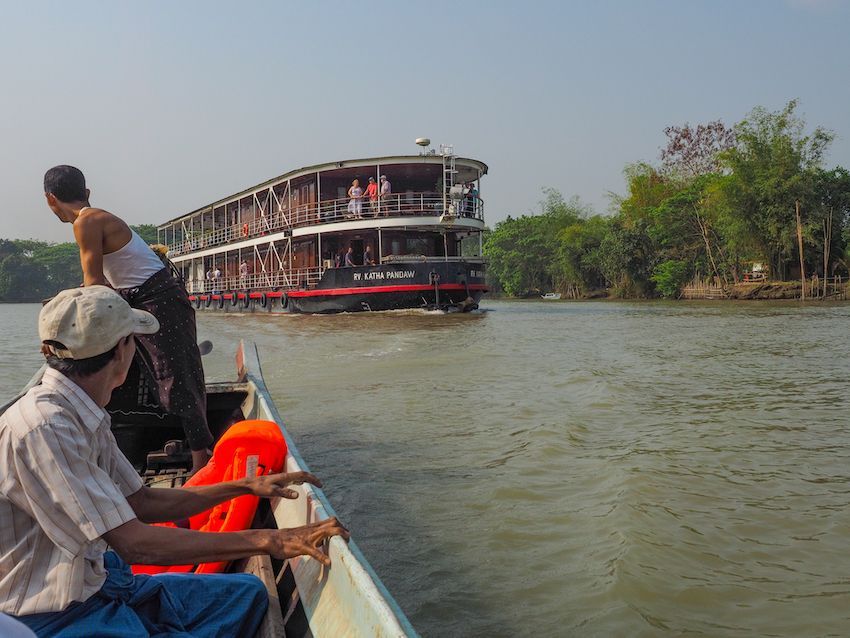
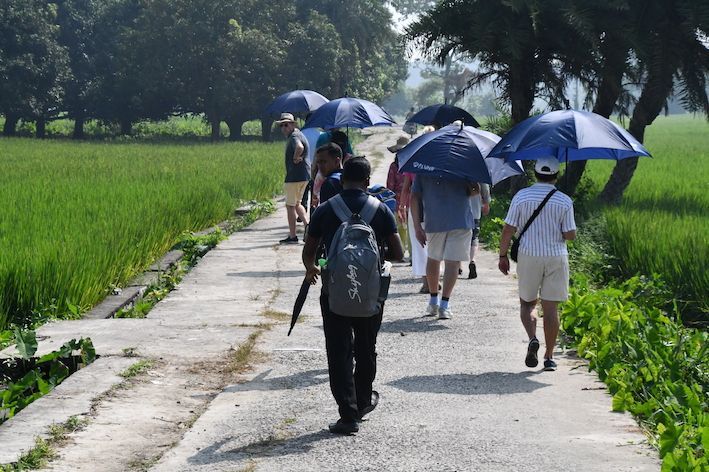
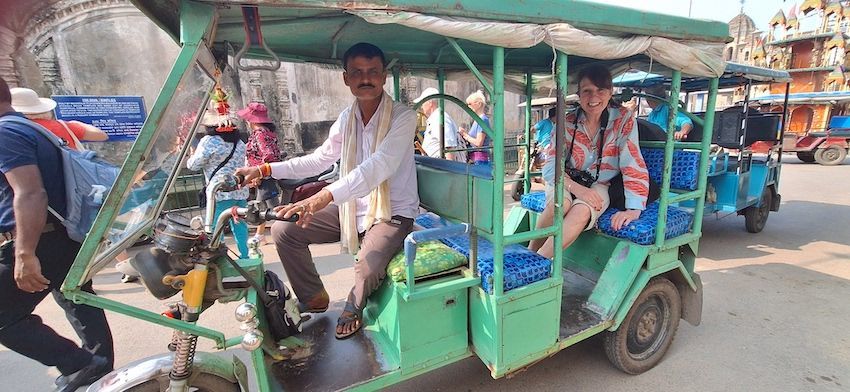
Each day we tied up at ghats — the stone stairways that are the social heart of river communities — and stepped straight into village life. In rural areas, western travellers were a novelty. Children followed us giggling, teenagers asked for selfies and curious locals wanted to know where we were from. In one town, we were invited to join a cricket match on a public lawn shared with grazing sacred cows.
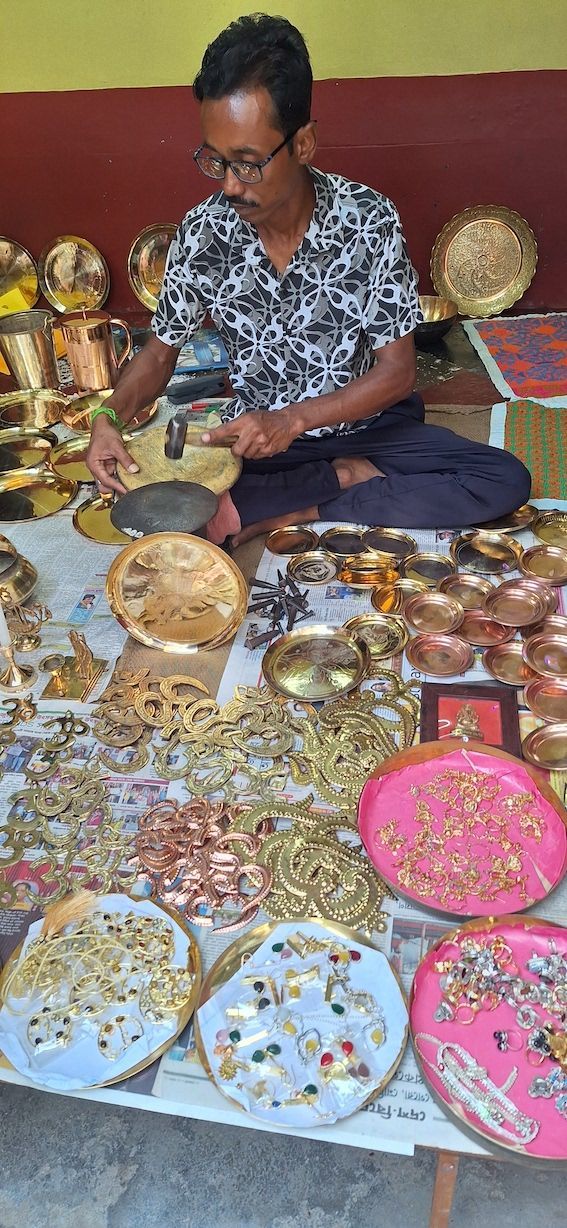
In Matiari, the clang of metal echoed through narrow lanes as generations of artisans worked in dark workshops, shaping molten brass into bowls, plates and ornaments using techniques little changed in a century. Murshidabad revealed a very different legacy. Its grand Hazarduari Palace, once home to the Nawabs of Bengal who governed the region from 1717 until the rise of the British East India Company. Its 1,000 doors — 100 of them fake — were designed to confuse intruders and strategically placed mirrors allowed rulers to discreetly observe visitors, a reminder that power here was once as opulent as it was precarious.
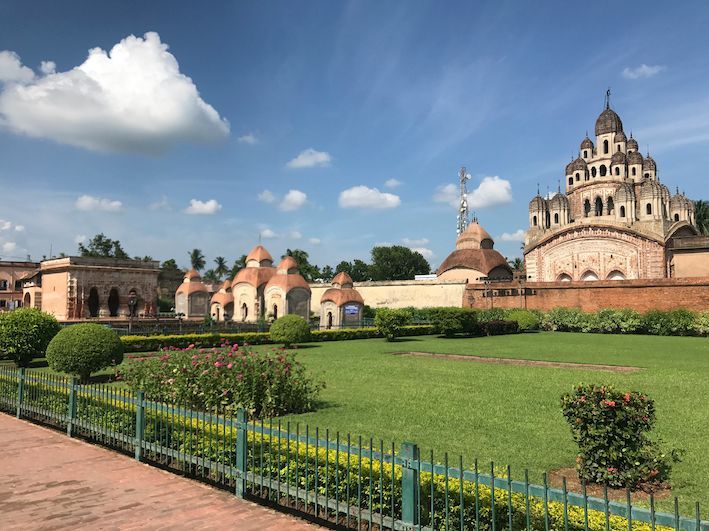
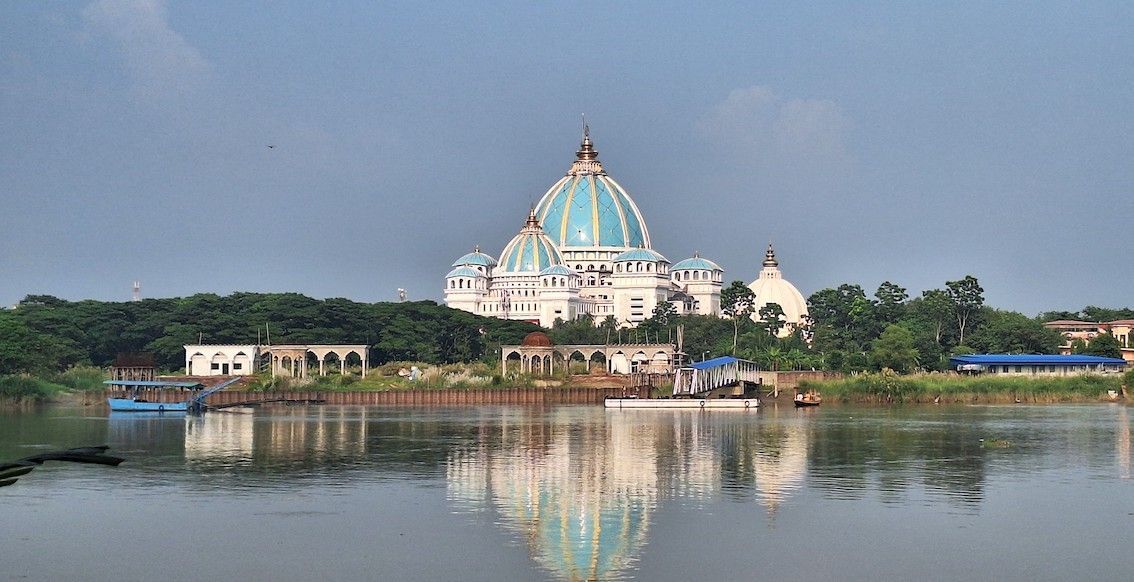
Spiritual landmarks also punctuated the journey. At Kalna, we wandered through an extraordinary complex of 108 Shiva shrines arranged in perfect concentric circles. In Mayapur, Deepak once again worked his quiet magic to secure special access to the vast Hare Krishna temple rising above the landscape. Under construction since 2010, it will become the largest Hindu place of worship in the world when completed later this decade.
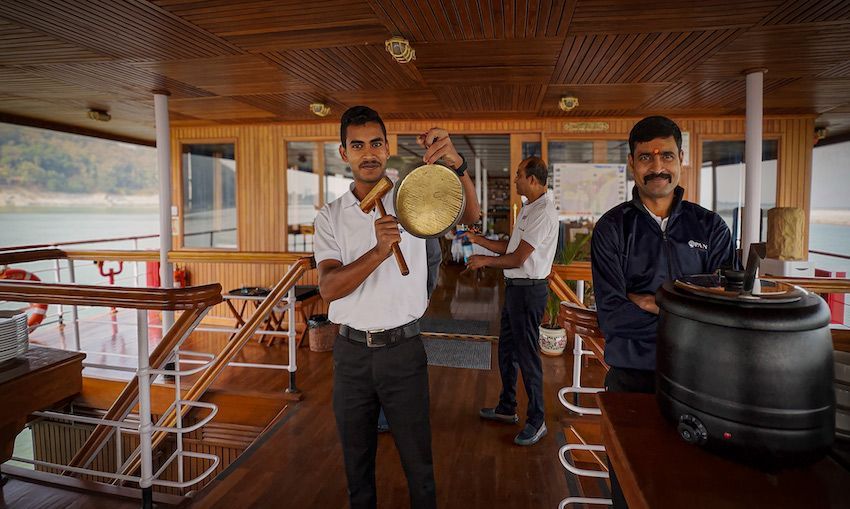
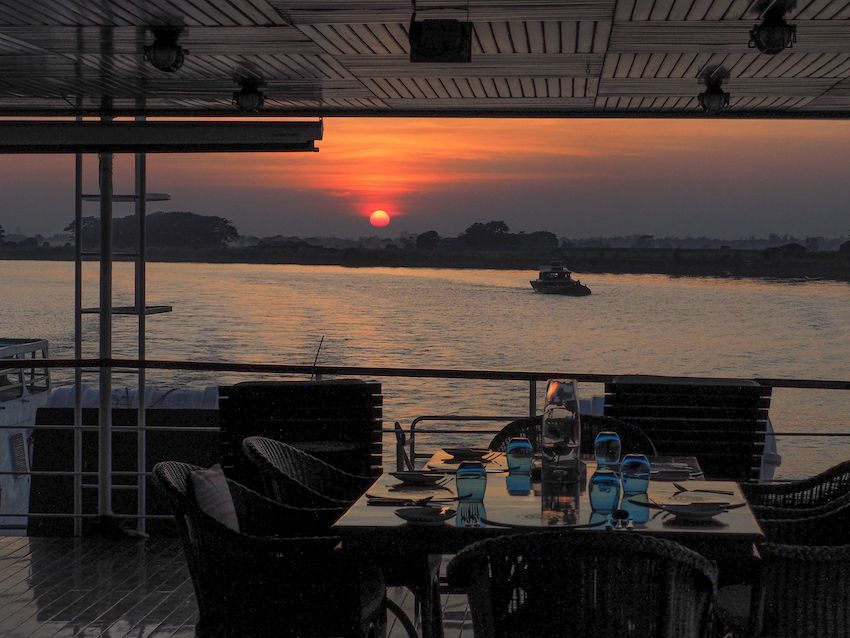
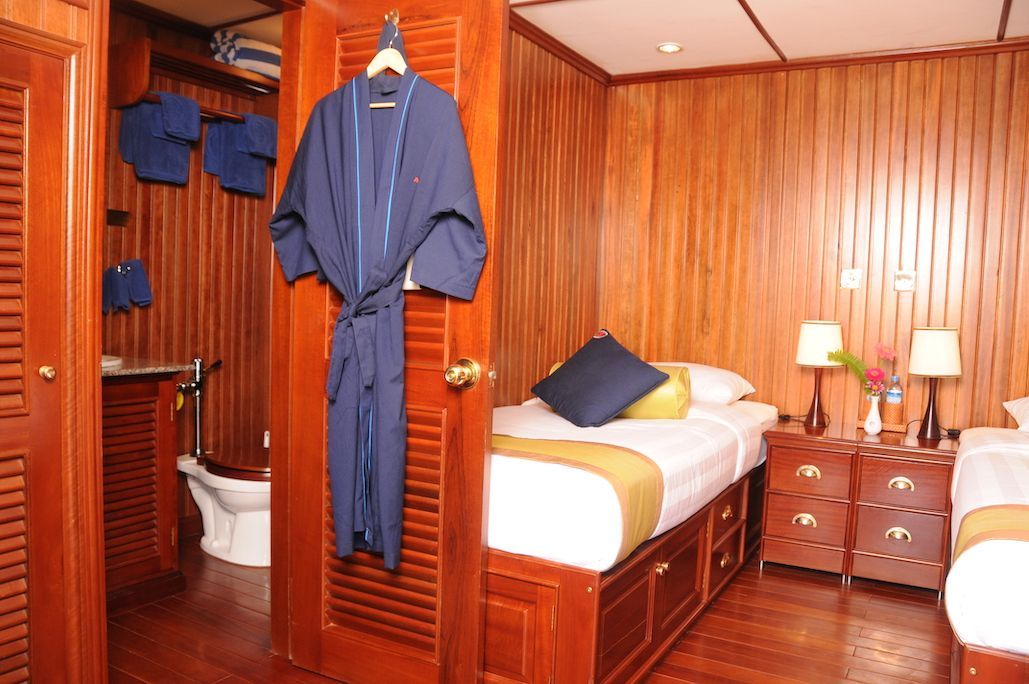
Between excursions, life aboard Katha Pandaw was relaxed and comfortable. Returning from shore, we were greeted with chilled towels and cooling juices while shoes were whisked away for cleaning. As the sun dipped low, evenings were spent on deck with gin and tonics or cocktails, swapping stories. When the mealtime gong sounded, Chef Sunil and his team delivered delicately spiced and authentic Indian dishes that were an onboard highlight.
What makes this journey special isn’t just where it goes, but how it unfolds. Travelling with a small group and a guide who stays throughout creates space for spontaneity and unplanned encounters that turn a trip into something unique and personal.
On our final day, as the crew gathered to wave us off, Deepak told us not to say goodbye but aaschi – the Bengali farewell that means “I’ll be back”. After drifting through the cultural and spiritual heart of India at river pace, seeing daily life from the water and being welcomed so openly along the way, I hope that will happen.
Jeannine Williamson January 2026
Fact file
Fred. Holidays offers Pandaw’s nine-night The Hooghly Ganges cruise from £3,999 per person for departures.
The price includes flights, transfers, all onboard meals, a complimentary drinks package, excursions and wi-fi.
Visit fredholidays.co.uk or call 0800 988 3369.
Please mention Holiday and Cruise Magazine