
Luxury at the Roof of the World
Kate Morfoot discovers Ladakh's new era of slow travel
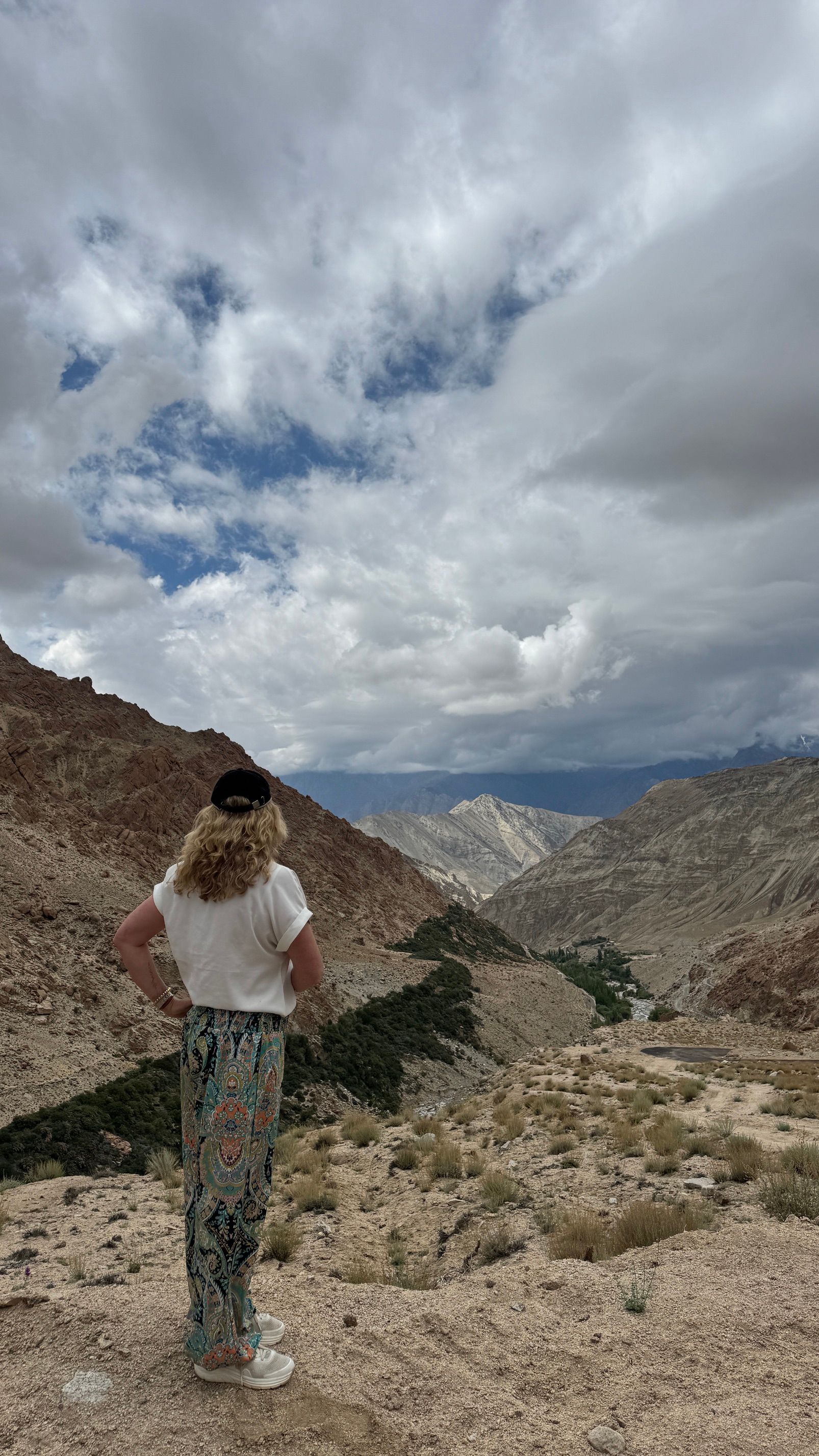
Above 11,500 feet, where prayer flags flutter between snow-covered peaks and silence is broken only by chanting monks and rushing rivers, Ladakh is redefining what luxury travel means. This remote region offers a rare form of luxury, one built on space, silence and meaning rather than excess. At the roof of the world, slowing down becomes the greatest indulgence.
Ancient monasteries, extraordinary landscapes and a new generation of eco-conscious retreats reveal a Himalayan destination where luxury is defined by slow travel, authenticity and connection. There are few places in the world where luxury feels genuinely earned. Ladakh, in northern India, is one of them. Although part of India, Ladakh has deep cultural and spiritual ties to Tibet. Buddhism is woven into everyday life; prayer flags flutter across mountain passes, wheels turn outside monasteries, and the sound of chanting monks echoes through valleys unchanged for centuries.
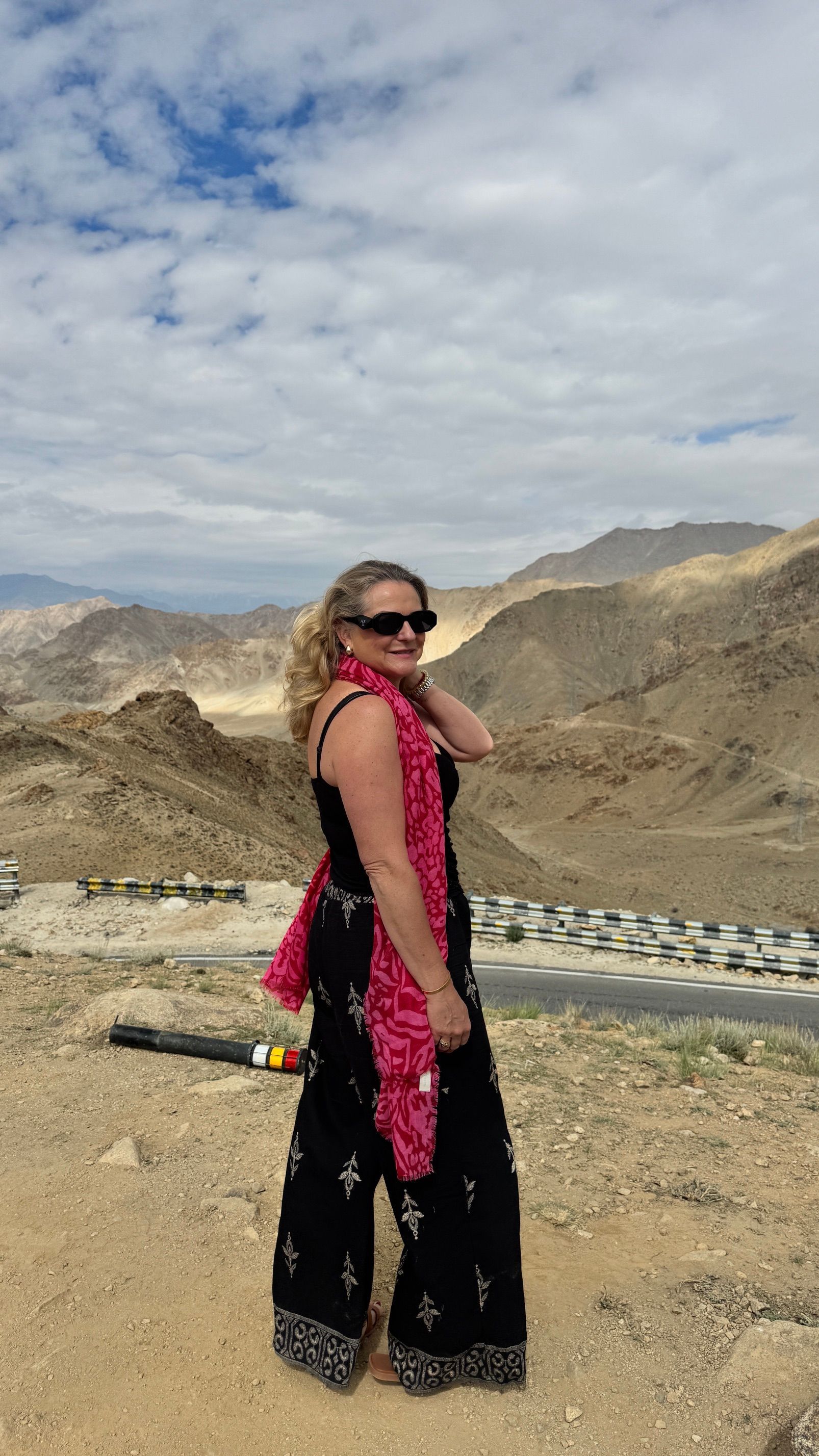
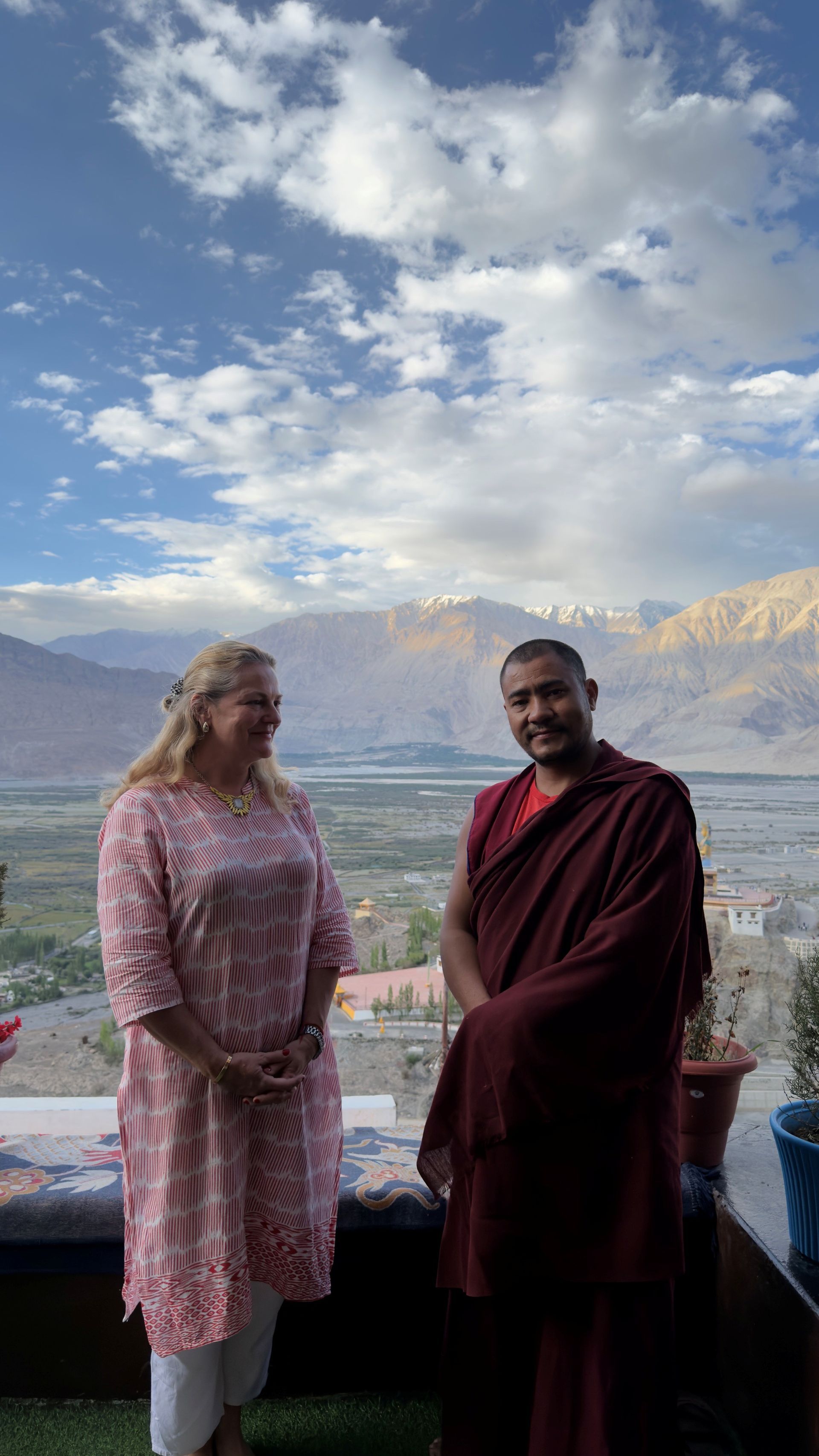
Here, luxury is experienced differently. It is butter tea shared with local families, meditation with monks, homemade food prepared with care and enjoyed together, and evenings spent around fire pits beneath some of the darkest skies and brightest stars on earth. Perhaps Ladakh's greatest luxury, however, is its hospitality.
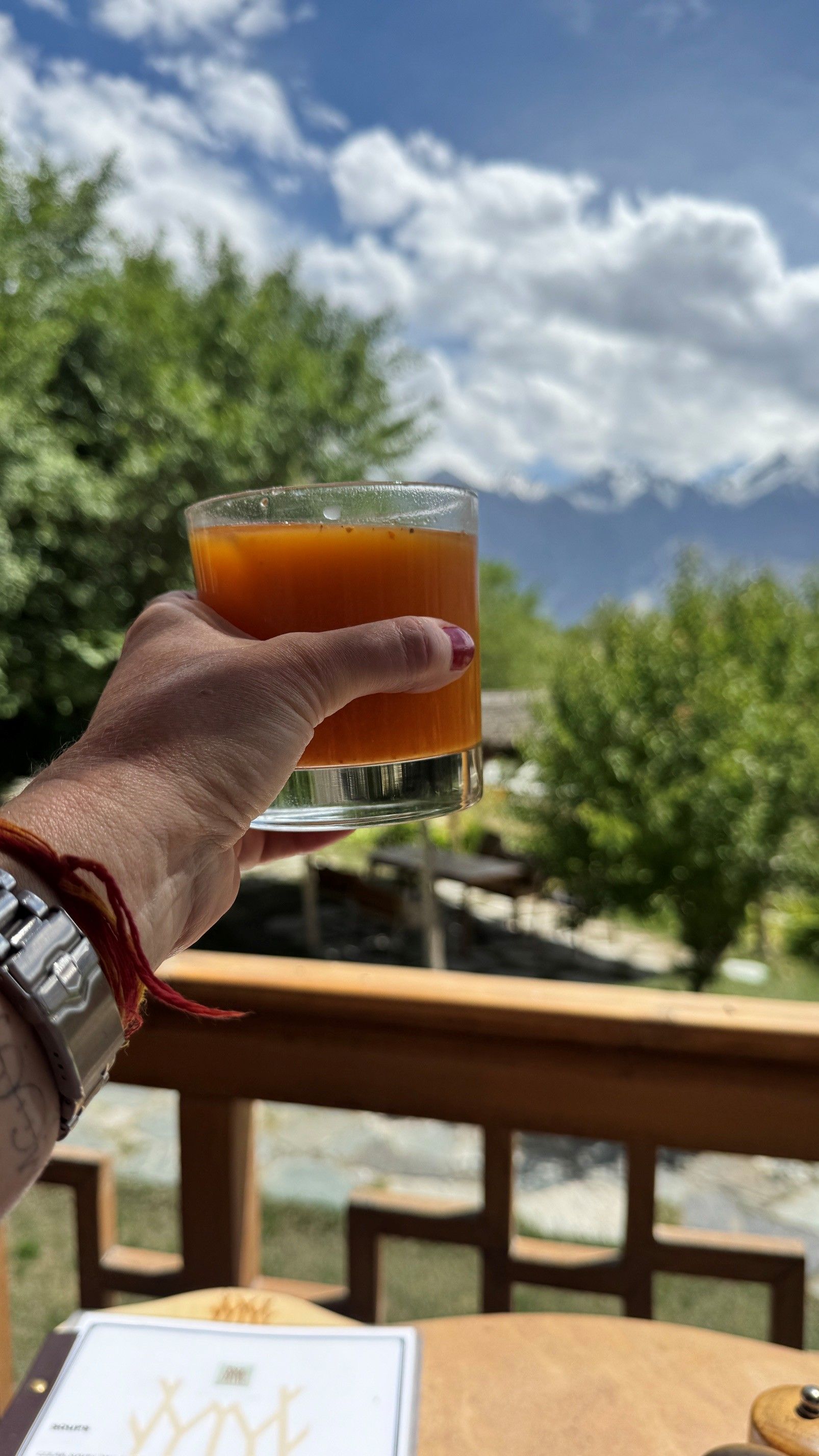
Here, generosity is instinctive. Fresh apricots appear without ceremony, meals become opportunities for conversation and connection, and guests are welcomed with a warmth that feels deeply rooted in the Ladakhi way of life. Across the region's finest retreats, attentive teams combine discreet service with genuine personal connection, ensuring that luxury never feels formal or distant, but instead reflects the kindness and generosity of the mountains themselves.
During my journey through the region, I stayed at five exceptional hotels from the RARE India collection, each offering a distinct window onto Ladakh; its heritage, wildlife, spirituality and people.
The Grand Dragon Ladakh — Leh
For most travellers, Leh is the gateway to Ladakh, and the place to begin slowly. At over 11,500 feet above sea level, the mountains set their own pace. At this altitude, even breathing becomes a reminder to slow down. Allowing two days to acclimatise is essential; the reward is the ability to fully embrace the landscapes, monasteries and unforgettable experiences that follow.
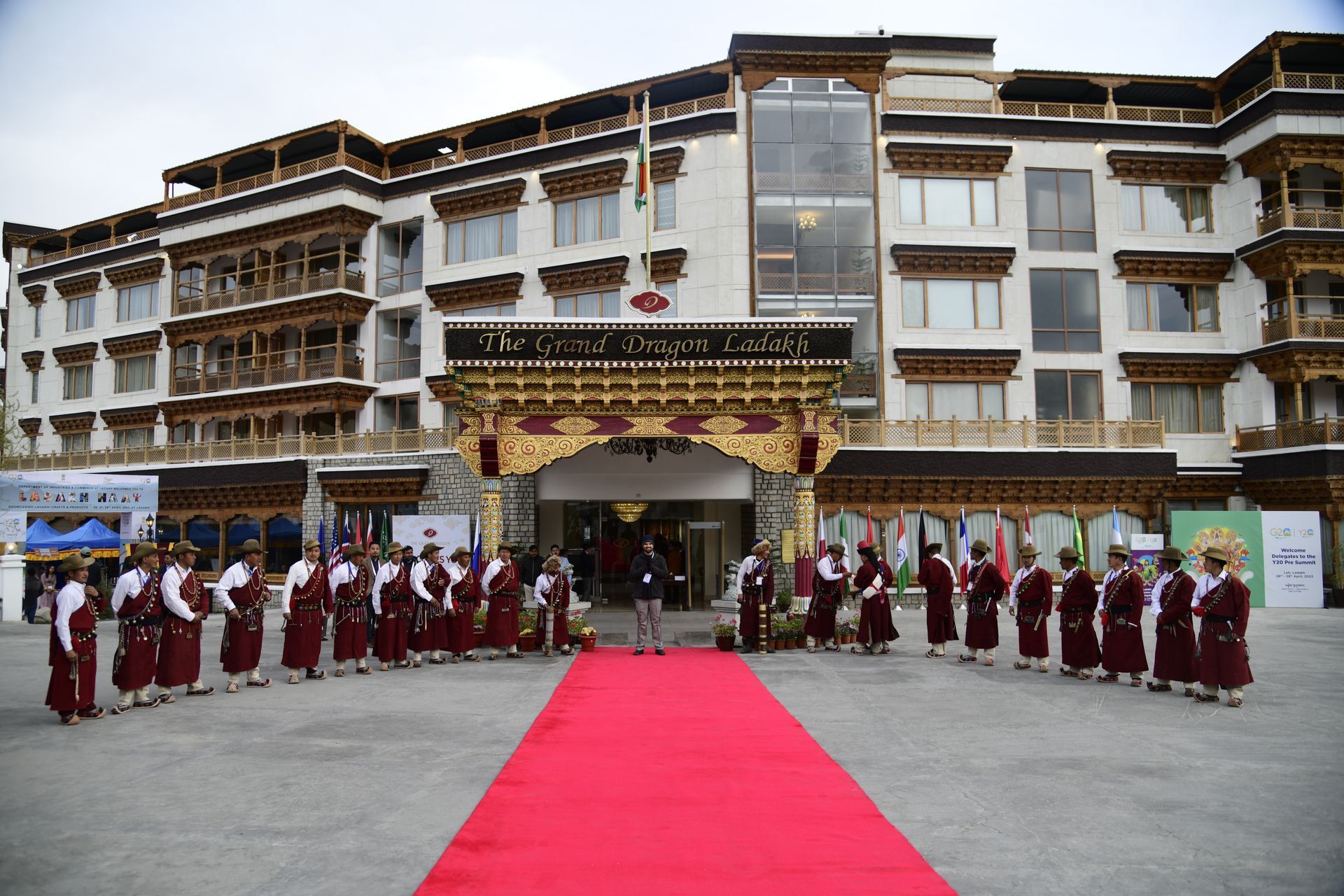
My first stay was at The Grand Dragon, the region's first luxury hotel and a property that has played a significant role in shaping Ladakh's hospitality landscape. Owned by the Abdu family, whose connection with welcoming travellers to Ladakh stretches back decades, the hotel combines contemporary comfort with a deep respect for local culture. As Ladakh's first five-star luxury hotel, it has helped redefine hospitality in the region while remaining proudly rooted in its traditions. Set against dramatic Himalayan scenery, the hotel's spacious gardens provide a peaceful place to rest and adjust to the altitude. Traditional Ladakhi influences can be found throughout the property, from its architecture and artwork to the genuine warmth of the welcome.
That sense of care is perhaps best reflected in its people. During my stay, I met a member of staff who had worked at the hotel for 17 years, a remarkable testament to the loyalty and family atmosphere that exists behind the scenes. It is this continuity that creates a genuine sense of hospitality, where guests are welcomed as individuals rather than simply arriving to check in. The experiences are designed to help guests connect with the destination rather than simply observe it. Private picnics beside the Indus River, candlelit evenings beneath the stars, cultural performances and Tibetan calligraphy lessons with a monk offer memorable introductions to Ladakh's traditions.
Dining is also becoming a highlight. Alongside the all-day dining restaurant Zasgyath, with views towards the Stok Kangri mountain range, the hotel has introduced RYU OKA, a refined Pan-Asian restaurant inspired by the ancient Silk Route. Combining Japanese, Korean, Thai and Chinese influences with local Ladakhi ingredients such as apricot and sea buckthorn, the menu reflects the historic exchange of cultures that shaped this Himalayan region. Rooms and suites combine contemporary comfort with Ladakhi influences, many offering sweeping mountain views. The attentive team understands that arriving in Leh is not simply checking into a hotel but adjusting to life at altitude. Warm welcomes, thoughtful service and nourishing meals, including the hotel's restorative garlic soup, create a reassuring base from which to begin exploring the region.
Leh itself rewards slow exploration. The nine-storey Leh Palace, once home to Ladakh's royal family, overlooks the old town, while the hilltop Shanti Stupa offers panoramic views across the Indus Valley, particularly at sunrise and sunset. Beyond the town, Thiksey Monastery, often compared to Tibet's Potala Palace, rises dramatically above the valley, while nearby Hemis Monastery remains one of Ladakh's most important Buddhist centres.
Wandering Leh's narrow streets is equally rewarding, where cafés, artisan shops and colourful markets sit alongside prayer wheels, traditional mud-brick homes and monks in crimson robes, offering an unhurried introduction to life in the Himalayas.
Virsa Baltistan — Turtuk
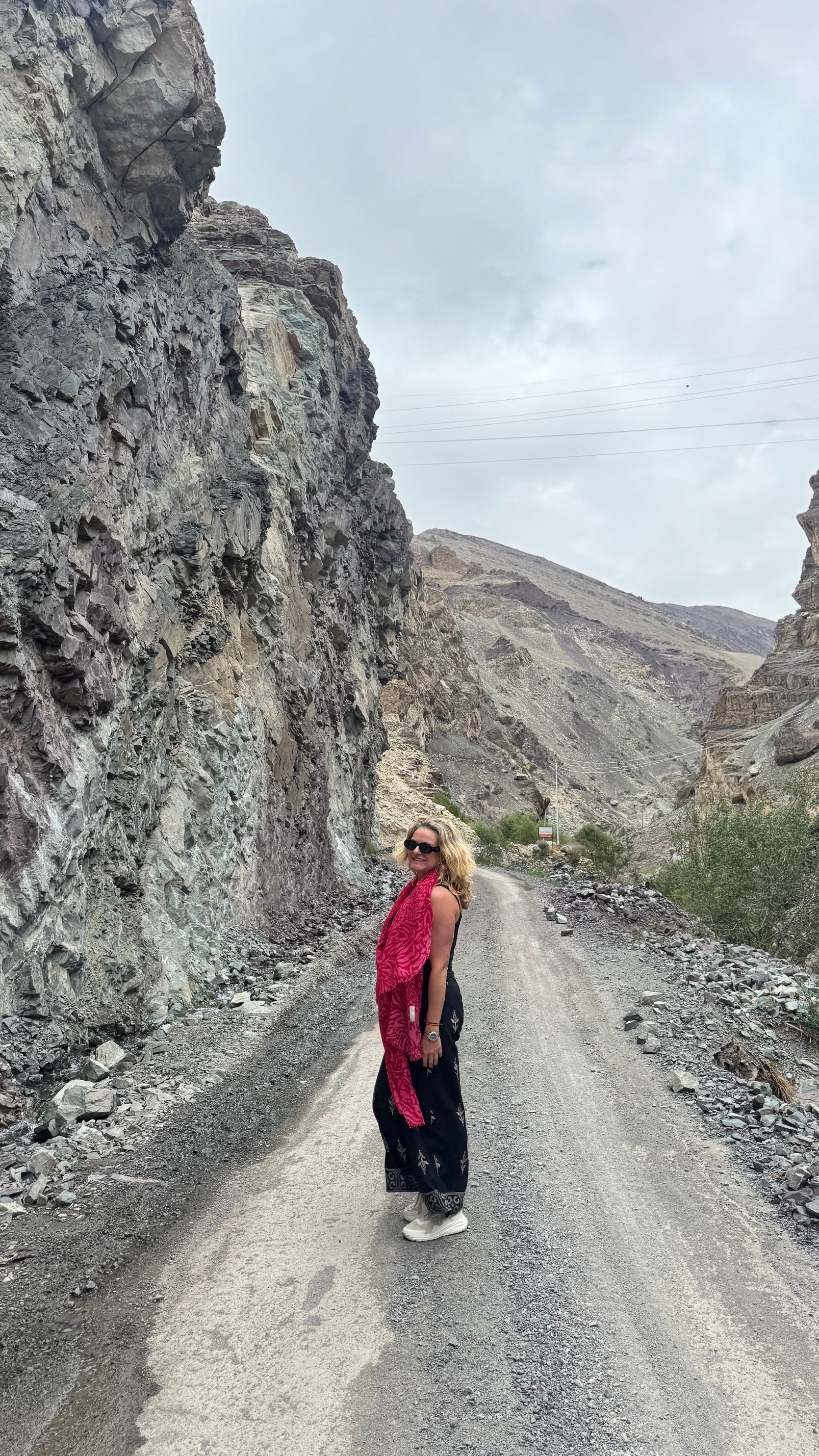
Leaving Leh, the adventure truly begins as the road winds upwards to Khardung La 18,000 - feet above sea level, the world's highest motorable mountain pass. From this legendary crossing, the historic gateway to the Nubra Valley, the landscape opens into a spectacular panorama of rugged Himalayan peaks, deep gorges and high-altitude desert. Beyond the pass, the road descends through an ever-changing landscape of glacial rivers, fertile valleys and tiny settlements clinging to the mountainsides. In Ladakh, distances can be deceptive; what appears to be a short journey on the map can take hours to navigate, making an experienced local driver invaluable, not only for negotiating the winding mountain roads but also for sharing insights into the region's rich culture, history and traditions.
The reward is Turtuk, at nearly 10,000 feet, one of India’s northernmost villages and a place where Balti culture remains beautifully preserved.
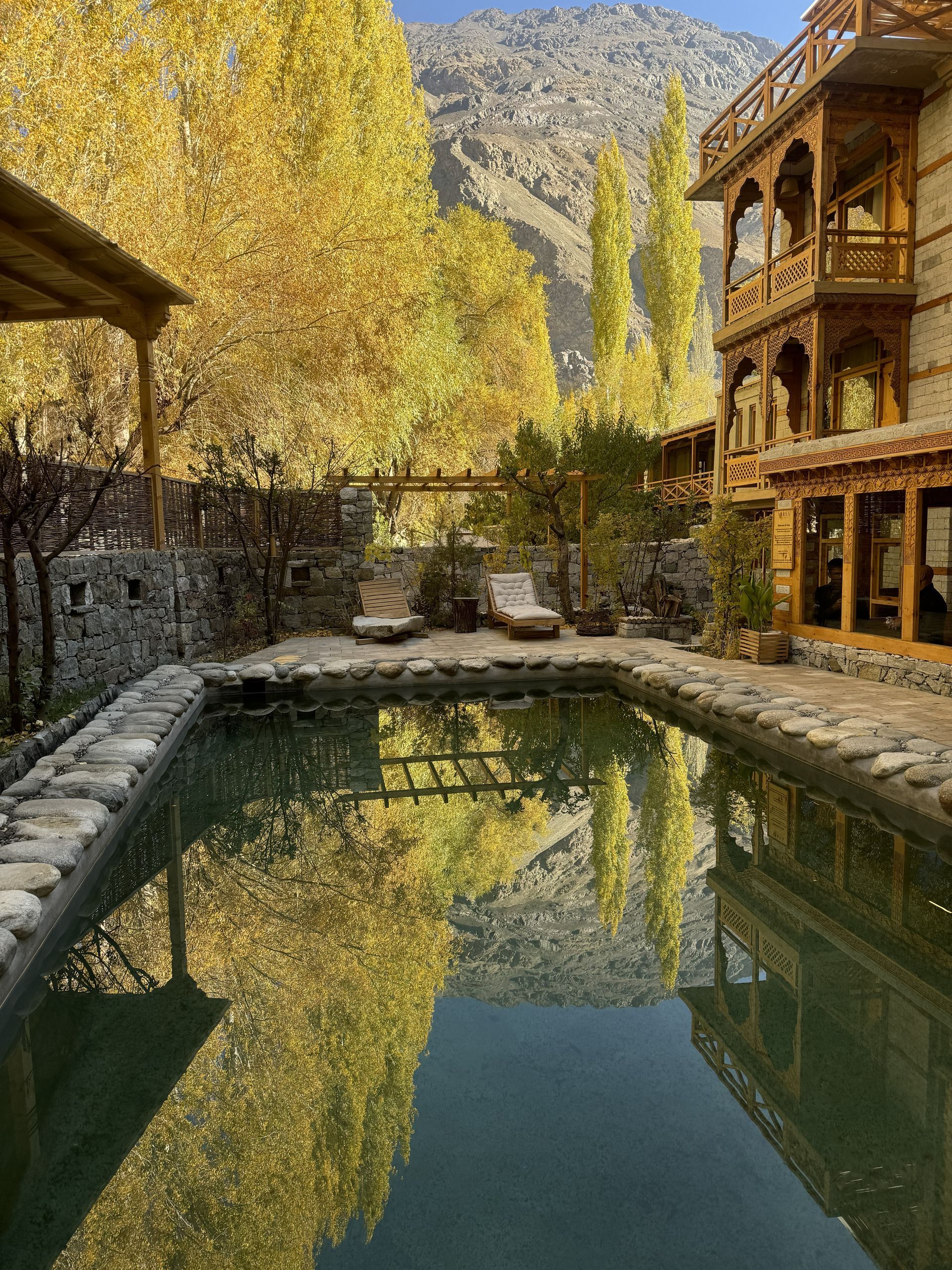
My stay was at Virsa Baltistan, a boutique retreat beneath the Karakoram mountains, overlooking the Shyok River and the village’s farmland.
More than a hotel, Virsa is a celebration of Baltistani heritage, built with local artisans around traditional architecture, handcrafted wooden details and local materials. Rooms open onto panoramic mountain views and the quiet rhythm of village life, while riverside yoga, local crafts and a kitchen built around Khambir bread, apricot specialities and slow-cooked Himalayan curries root the experience firmly in place.
The retreat’s small scale creates an intimacy that is rare in luxury travel. Staff welcome guests like friends arriving in their village, sharing stories, traditions and the rhythms of daily life. Meals are generous and unhurried, often becoming the centrepiece of the evening as the mountains turn golden and the Shyok River flows below. An outdoor swimming pool, framed by the Karakoram mountains, provides an unexpected luxury in one of the world's highest and most remote landscapes.
A visit to the historic Yabgo Palace offers a fascinating insight into Turtuk's royal past. Once home to the Yabgo Dynasty, which traces its lineage back more than 2,000 years, the palace is open to the public preserving Balti heritage through family artefacts, traditional clothing and photographs. During my visit, I had the privilege of meeting the current king, a direct descendant of the dynasty, whose family continues to safeguard the history and culture of this remarkable border village. It was a memorable reminder that Turtuk is not only breathtakingly beautiful but also one of Ladakh's richest cultural treasures. A short drive beyond Turtuk lies Thang, India's last village before the Indo-Pakistan border. Here, I wandered along peaceful footpaths framed by dramatic mountains, with crystal-clear water weaving through the village and fragrant herbs growing beside the trails. Women worked the fields carrying woven baskets on their backs, continuing traditions that have changed little over generations. The warmth of Balti hospitality was unforgettable when a local family invited me into their home to share a cup of traditional Hawa tea, a simple yet special experience that captured the genuine kindness of life in this remote corner of Ladakh.
Lchang Nang Retreat — Nubra Valley
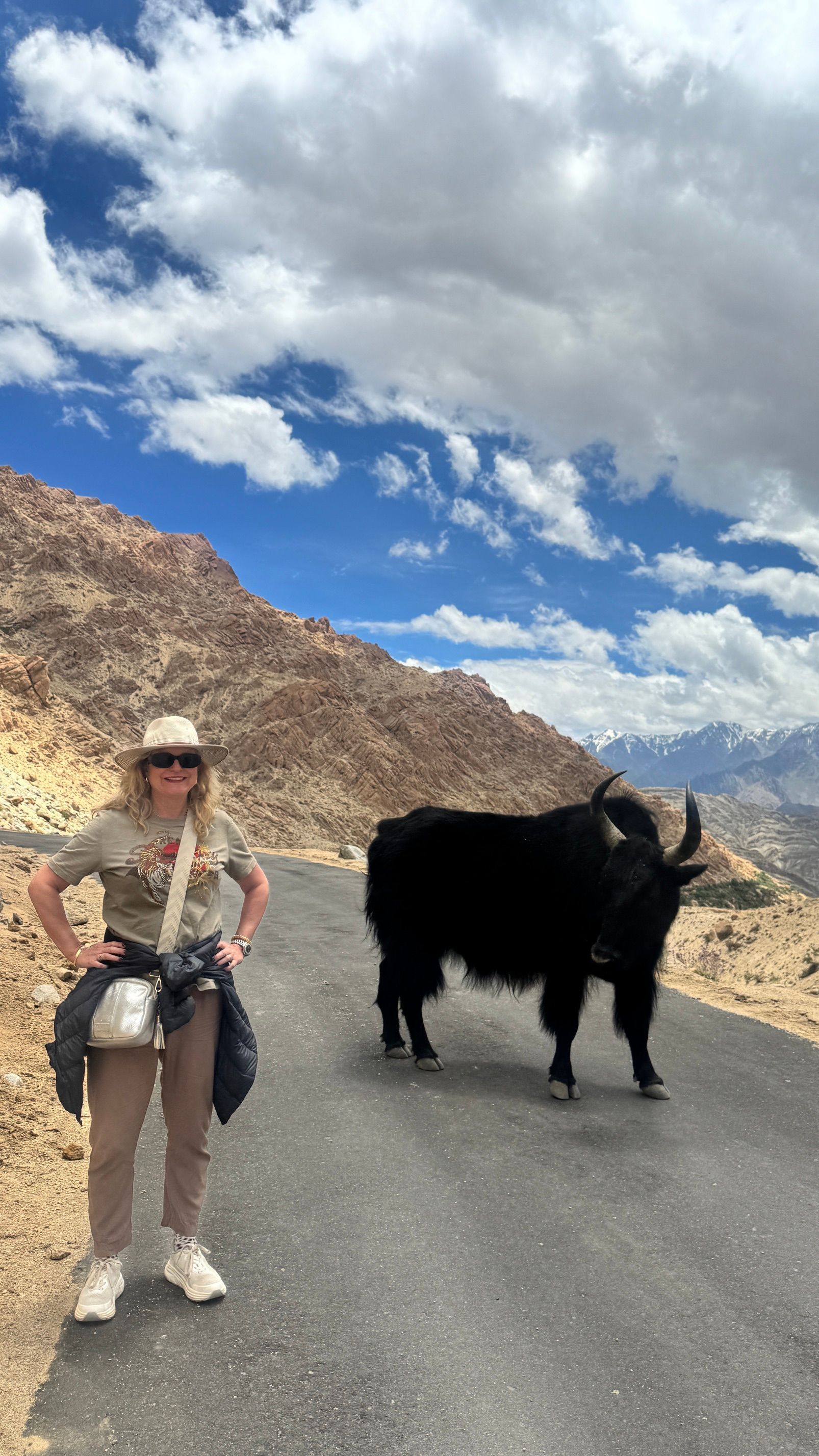
From Turtuk, the road winds deeper into the Nubra Valley, where every bend reveals another extraordinary view. Through the car window, the landscape constantly changes; emerald-green villages fringed with poplar trees give way to vast sand dunes, glacial rivers and snow-capped Himalayan peaks. Small herds of shaggy yaks graze on the mountainsides, hardy donkeys wander freely through village lanes, and the valley's famous double-humped Bactrian camels, a legacy of the ancient Silk Route, rest peacefully on the dunes. Along the roadside, women tend fields, children wave as vehicles pass, and prayer flags flutter from whitewashed stupas. It is a journey best enjoyed slowly, with frequent stops to take in the sheer scale, silence and beauty of one of Ladakh's most remarkable landscapes.
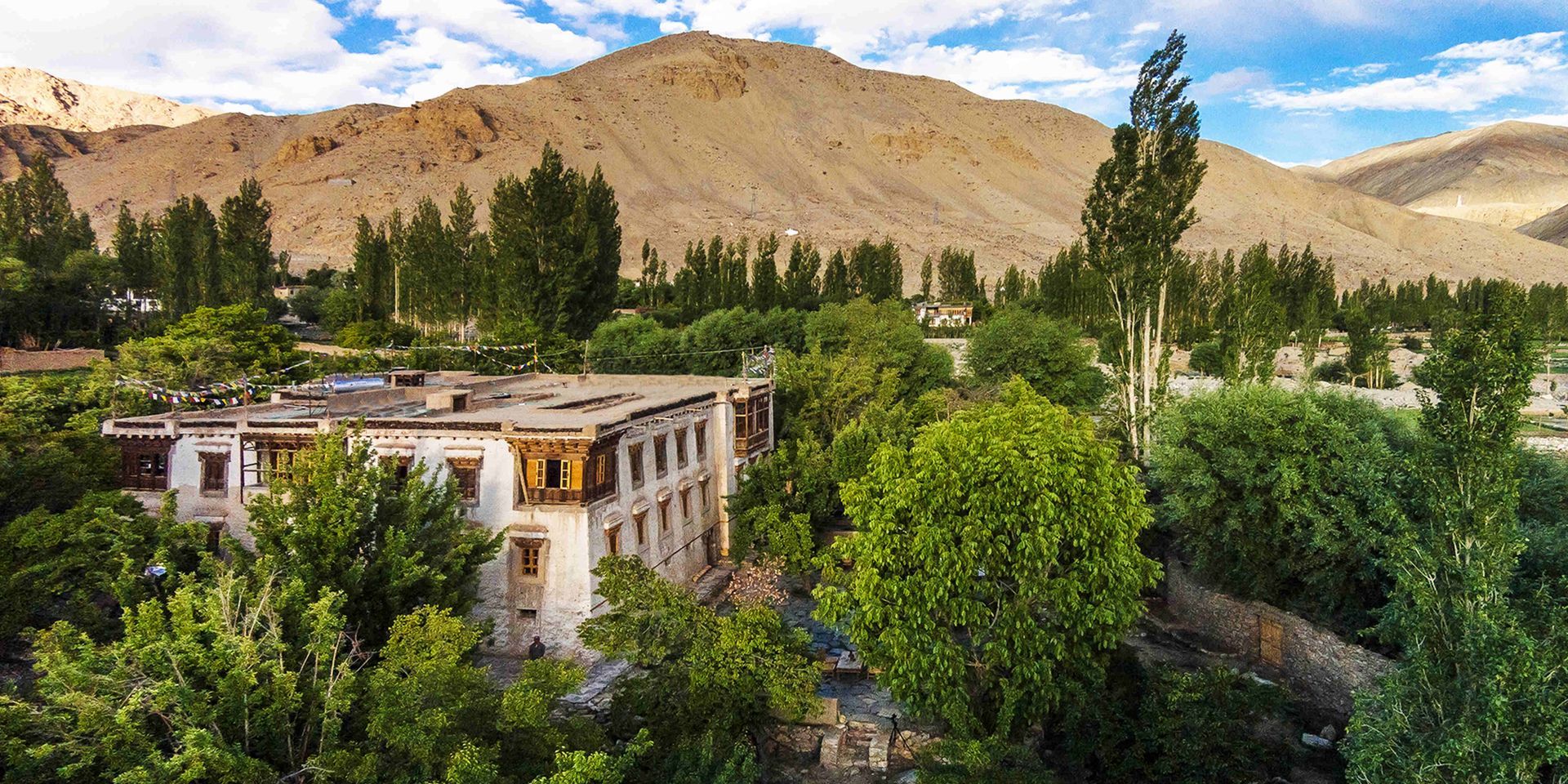
Here I stayed at Lchang Nang Retreat, “The House of Trees”, an eco-conscious sanctuary of 17 cottages built in traditional Ladakhi style from mud, stone and poplar wood. Everything on the property feels considered. Organic cuisine draws on local ingredients, homemade butter, bread, yoghurt and preserves reflect a slower approach to hospitality, and the owner’s own range of apricot-based cosmetics celebrates one of the region’s most treasured crops. Each morning, local women visit to welcome guests with butter tea, local cheese and Khambir bread, a simple but memorable window into everyday Ladakhi life.
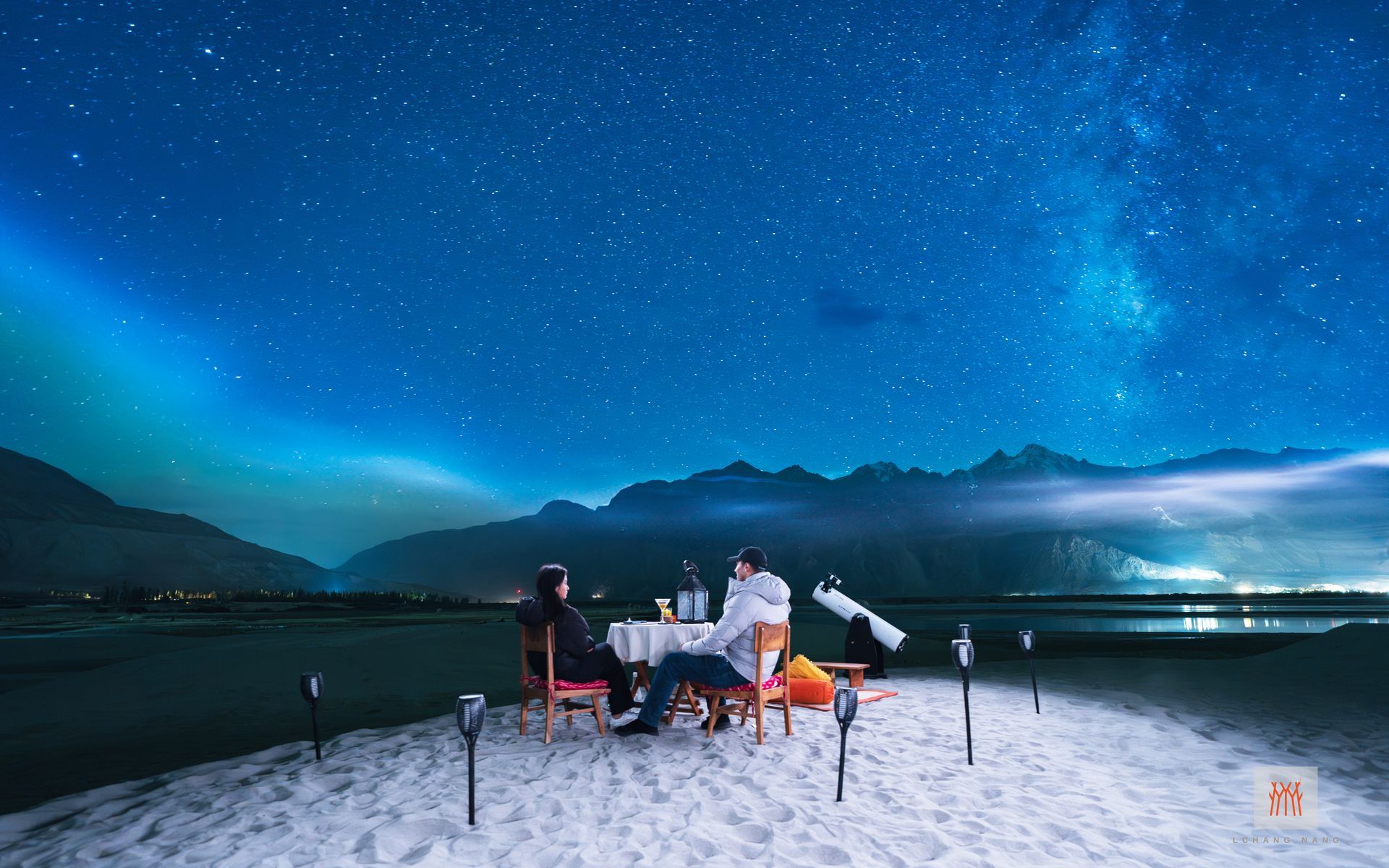
The retreat’s philosophy extends beyond accommodation. Sustainability, wellbeing and local connection are woven into every detail, from traditional building techniques to the warmth of the team. Guests are encouraged to slow down, whether enjoying a meal prepared with ingredients from the region, relaxing among the trees, or sharing stories around the firepit or over endless cups of Hawa tea. Guests can add massages using organic oils, outdoor yoga with views of the Himalayas, meditation with monks, evening fire pits and stargazing picnics at the Sumoor Dunes, beneath some of the clearest skies on earth. A dedicated wellness and mindfulness centre is planned to open in 2027, further enhancing the retreat’s focus on rest, reflection and reconnection.
The luxury here is not about excess, but about reconnecting with nature, culture and oneself. Nearby, the Panamik Hot Springs offer another unforgettable Himalayan experience. Rich in minerals, these natural geothermal pools are a chance to soothe tired muscles after exploring Nubra Valley. Although guests should be prepared to brave the heat, the waters can reach around 70–78°C at the source before cooling in bathing areas to a more comfortable temperature. Set at around 10,000 feet above sea level, surrounded by the dramatic peaks of the Karakoram range, soaking in these ancient thermal waters feels like nature’s own mountain spa. It is a rare moment of warmth in one of the world’s highest and most remote landscapes.
Nimmu House — near Leh
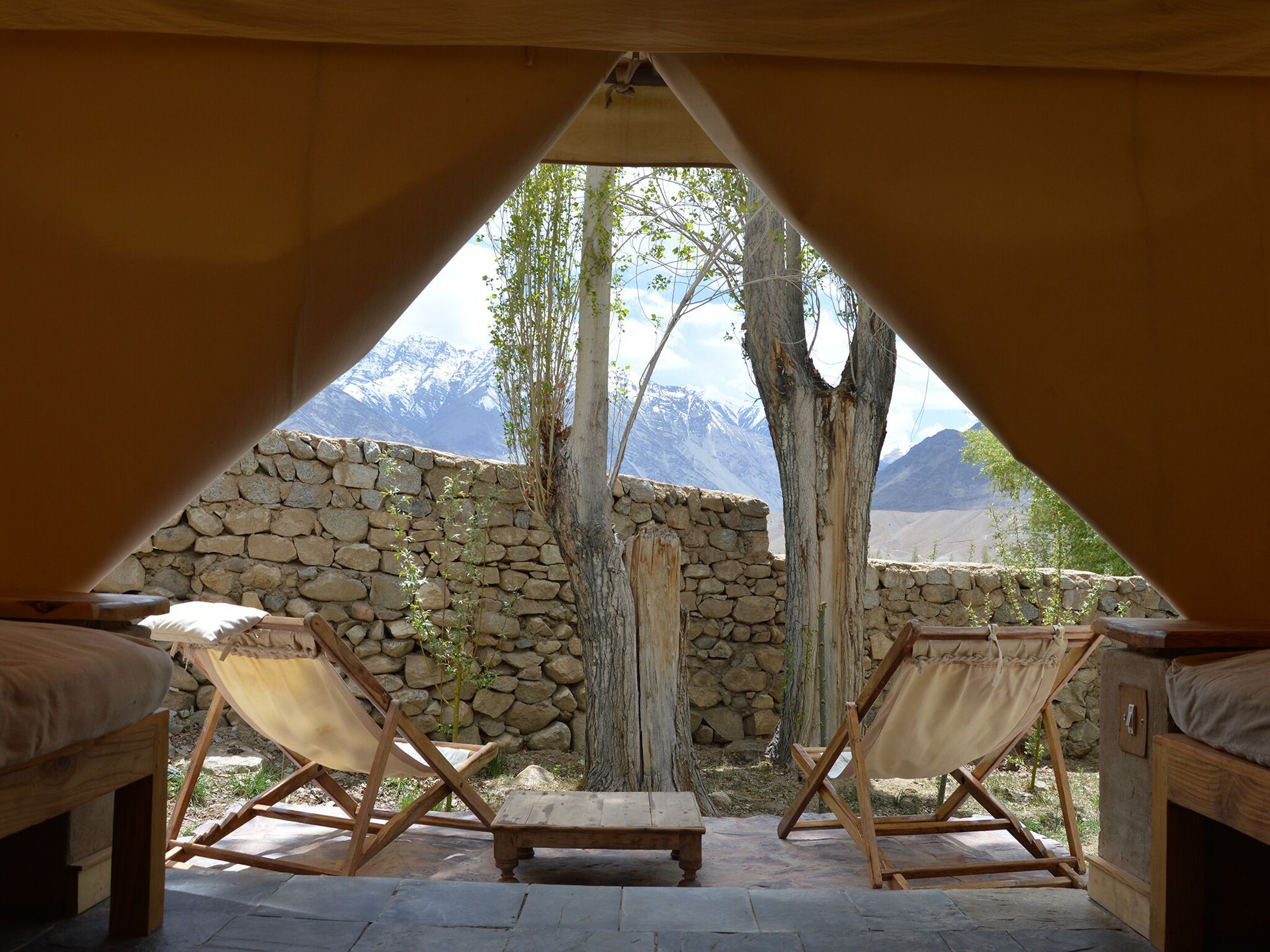
After days spent crossing high mountain passes and remote valleys, Nimmu House offers something quieter, an intimate sanctuary and a gentler beginning to a remarkable Ladakhi journey. Only forty minutes from Leh airport, and lower in altitude in Leh by 1,200 feet, it allows travellers to acclimatise while embracing the stillness, heritage and warmth of this extraordinary landscape. The heritage house began around eleven years ago and remains a genuine family home. Kuney, the daughter who grew up there, now welcomes guests herself. Just five heritage bedrooms and seven luxury tents sit among the orchards, with mornings built around homemade breakfasts using ingredients from the family’s own farm, including milk from their own cow. This is luxury at its most personal, unhurried, quietly authentic and deeply connected to the land.
Days at Nimmu House follow the gentle pace of village life. Breakfasts are prepared beneath fruit trees, while evenings bring the simple pleasure of watching the valley quieten beneath the mountains. The property’s greatest charm is that guests are welcomed into a living Ladakhi heritage retreat rather than a conventional hotel. The hospitality feels deeply personal; food, stories and conversation become as important as comfort. Staff anticipate guests’ needs with warmth rather than formality, and the experience captures something increasingly rare in luxury travel, the feeling of being invited into someone’s world. Surrounded by orchards, farmland and mountain views, Nimmu House offers a reminder that the greatest luxury is often found in simplicity.
Snow Leopard Lodge — Ulley Valley
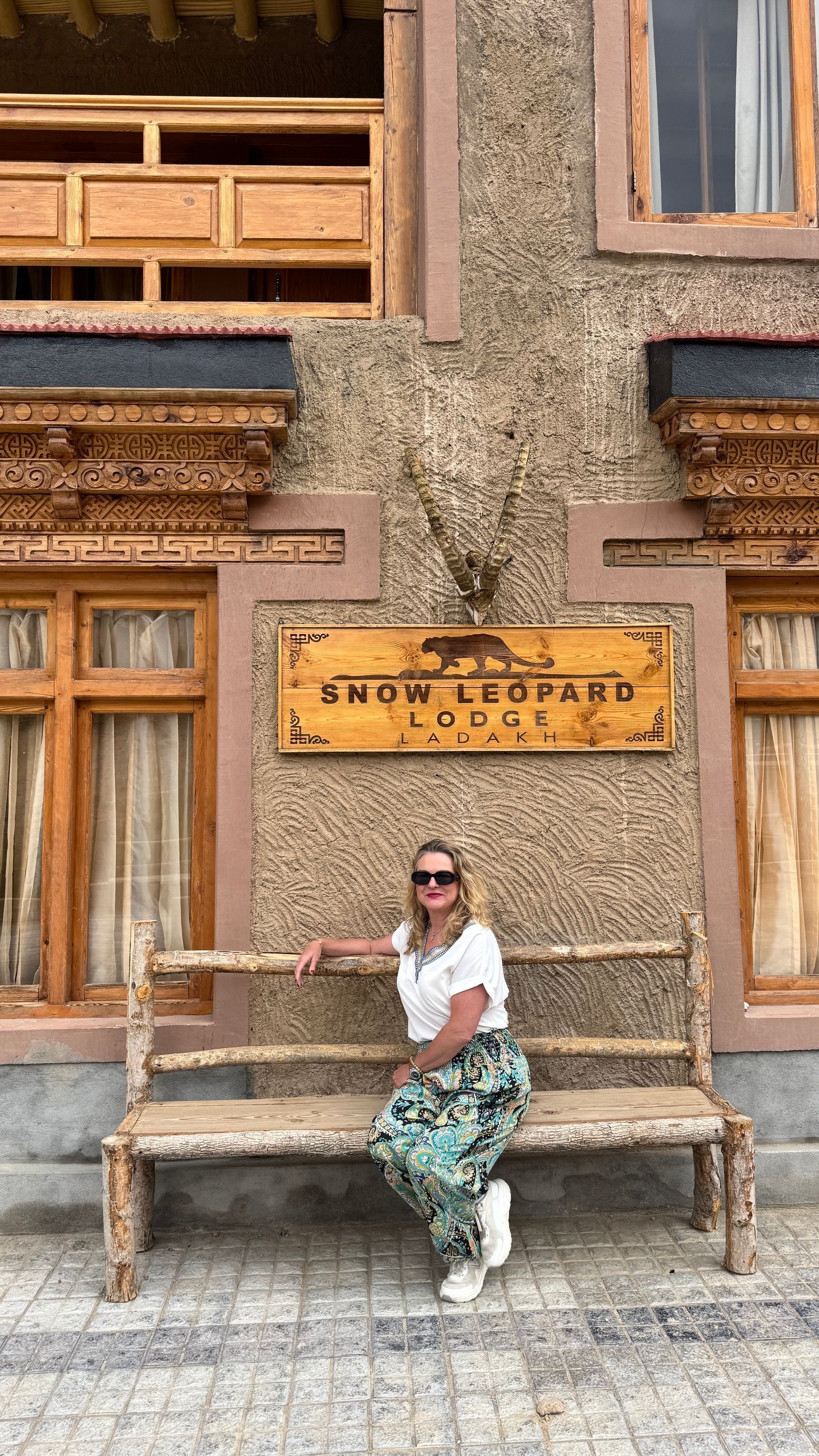
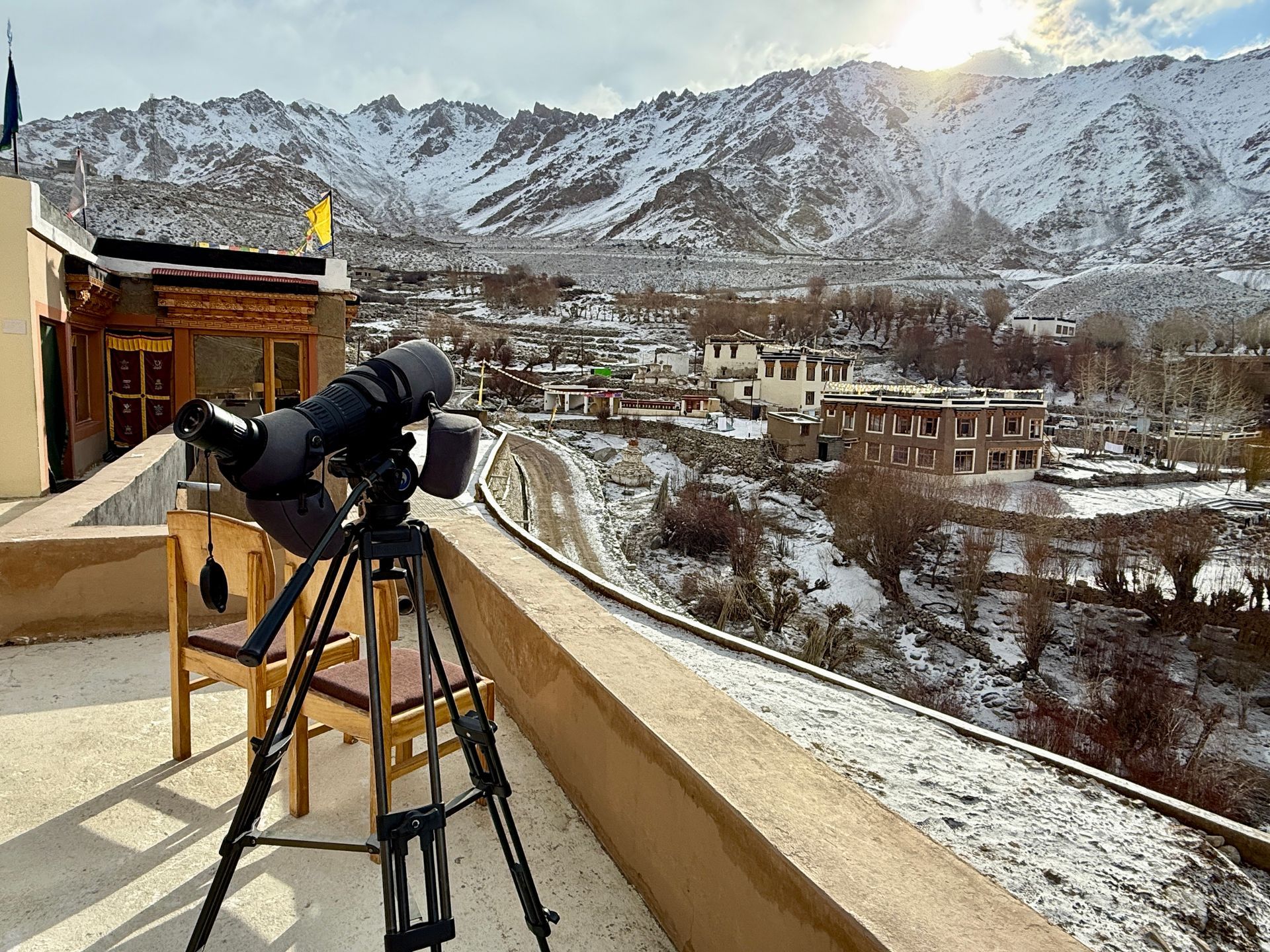
The final leg of the journey led deep into Ulley Valley to Snow Leopard Lodge, a world of silence and wilderness dedicated to conservation. Here, the focus shifts from comfort and heritage to one of Ladakh’s greatest natural treasures: its wildlife. Expert spotters track the valleys for the elusive snow leopard, alongside Himalayan wolves, blue sheep, ibex and birdlife including golden eagles and Bearded vultures.
Winter, when temperatures can fall below -25°C, offers the best chance of a snow leopard sighting. Summer brings a different rhythm, with opportunities for cycling, wildlife photography, wildflower walks, camping, birdwatching and interacting with villagers in their traditional homes.
There is no unnecessary glamour here; the luxury is the privilege of accessing one of the world’s rarest wildlife experiences with experts who know every ridge and valley. Days begin early, scanning the mountains through high-tech spotting scopes and binoculars, followed by hearty meals, great company and evenings spent sharing stories. The attentive team creates a welcoming atmosphere where guests feel part of the conservation journey, experiencing Ladakh not as spectators, but as temporary guardians of this remarkable landscape. A second lodge, planned for the nearby village of Mangyu with eight rooms, will extend the same model of wilderness and conservation to a new corner of the region.
A final taste of Ladakh
The cuisine here owes far more to Tibet than to the rest of India. Traditional dishes such as momos, thukpa, skyu, Khambir bread and butter tea reflect the region’s history, climate and cultural connections. Across every stay, the same thread remained: Ladakh’s greatest luxury is not something that can be bought. It is found in the silence of the mountains, the generosity of its people, the flavours of its food and the rare feeling of being truly welcomed. This is a destination where luxury is not about having more but experiencing more. More connection, more meaning and more memories created in one of the most extraordinary landscapes on earth.
Fact-File
How to Get There: Fly from Delhi to Leh with IndiGo or another domestic airline. On arrival, allow at least two days to acclimatise to the high altitude before travelling further afield. Hiring a local driver is highly recommended, not only for navigating Ladakh's challenging mountain roads, but also because they can arrange the permits required to visit restricted areas.
Accommodation
RARE India is a collection of small, private, concept hotels across India, united by a commitment to conscious travel, authentic experiences and meaningful connections with local communities.
Kate Morfoot August 2026 Picture credits Kate Morfoot