
KIPLING COUNTRY
by Graham Brace
This very special place is always high on the list for return visits. It is one of most enduring places on earth.
Rudyard Kipling died in 1936 at not a great age, but his legacy will live on for those who cherish his famous stories or fables as I would call them. The most famous of course was the Jungle Book which spawned the Boy Scout movement by his friend Robert Baden Powell.
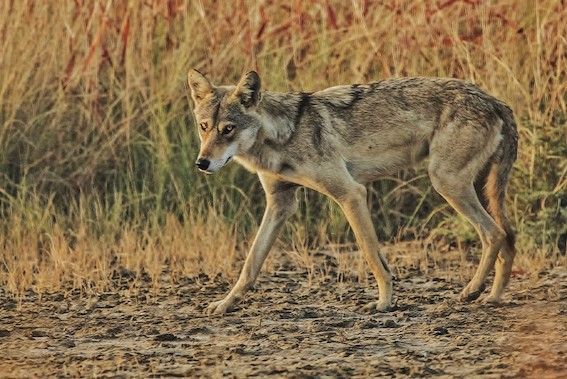
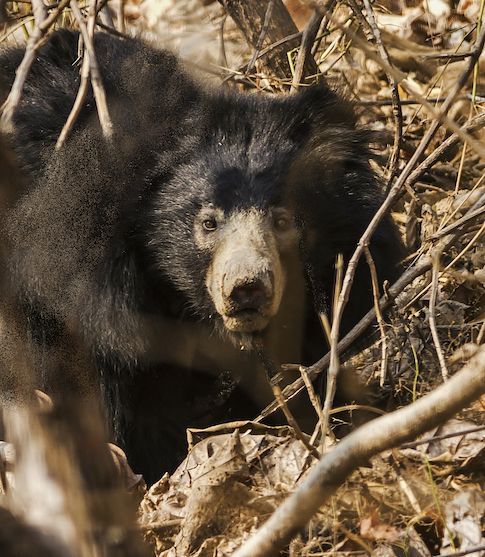
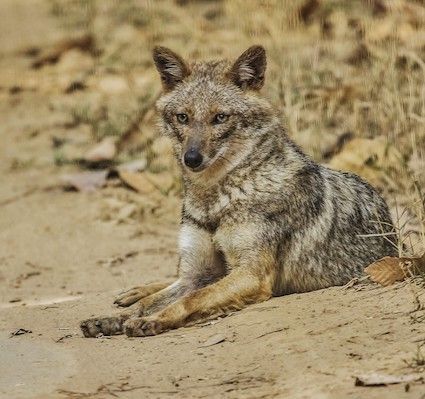
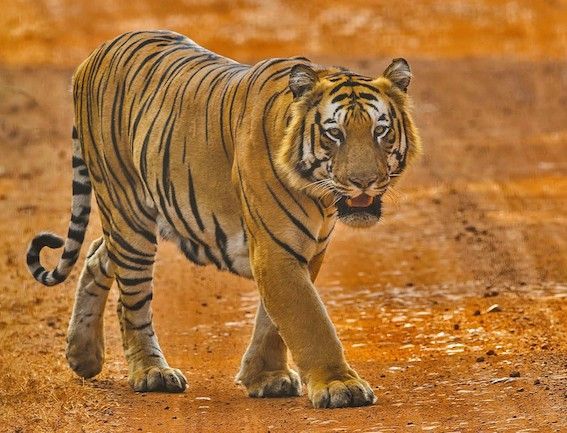
Mowgli, the boy brought up in the jungle by wolves, with their leader Akela, Kaa the snake and Bagheera the black panther being his main protectors. Baloo the bear stood up for him on more than one occasion. But, his nemesis Shere Khan the tiger, was always the most powerful and dangerous, with Tabaqui the golden jackal being his only friend.
But where was this fiction based? Many places have been suggested, even some that Kipling never visited. Kanha National Park, a serene place in the state of Madhya Pradesh, in middle India, is probably favourite
Jungle itself is a misnomer as national parks in India are in fact forests with a blend of hardwood trees such as sal, teak and others mixed in with giant bamboo. Think of the puny bean poles we use to support our runner beans and imagine 5 x the height and diameter!
The Park itself, with its buffer zone to protect the current humans, is in excess of 800 sq. miles. The forestation is laced with lakes, open grassland and a myriad of tracks carved out for us humans and our vehicles, jeeps that is. The supporting characters in the story still abound here, although a little imagination is required. Baloo is a sloth bear only half the size of an American black bear, so not hugely formidable. Whilst Bagheera is rarely seen, in practice the black panther is a melanistic leopard, one whose spots shine thought the black fur. Akela and her wolves are rarely seen in Kanha now, but they are beautiful pack animals who do work together.
Of course, Shere Khan is the Bengal Tiger, and there is no exaggeration here. He is the ace predator and can weigh up to 500 lbs plus when fully grown. Whilst they are very formidable, and at times a little unpredictable, they are generally quite benign in respect of humans.
Nowadays, India is by far the most organized and well respected of all the countries who support wildlife and eco-tourism. Along with Kanha there are over 50 national parks in India that protect the tiger and wildlife generally and it has a burgeoning tourist trade. Many criticize wildlife tourism out of ignorance, saying that it is to the detriment of the animals. When done properly as it is in India, it injects money into the local economy, providing jobs for forest guides and naturalists, hotels and lodges. Most importantly when those mentioned are in the forest either working or us game viewing, there is little space or time for poaching and killing. Ironically, one of the first national Parks, Corbett in Uttar Pradesh was named after a famous tiger hunter Jim Corbett over a century ago, who had a ‘St Paul on the Road to Damascus Moment’, gave it up and became an equally famous conservationist. In those dreadful days of the Raj when us British along with the Maharajas nearly wiped out the tiger population by hunting …. no wonder Shere Khan was aggressive then.
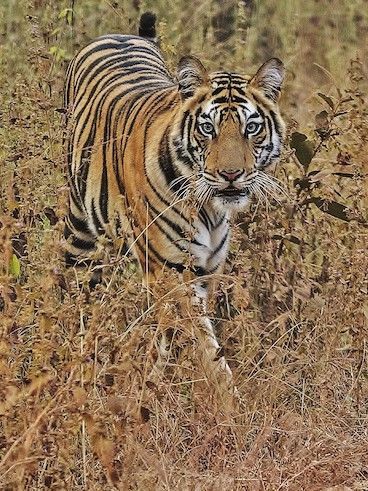
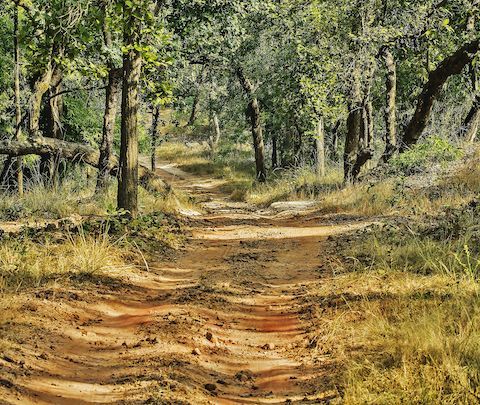
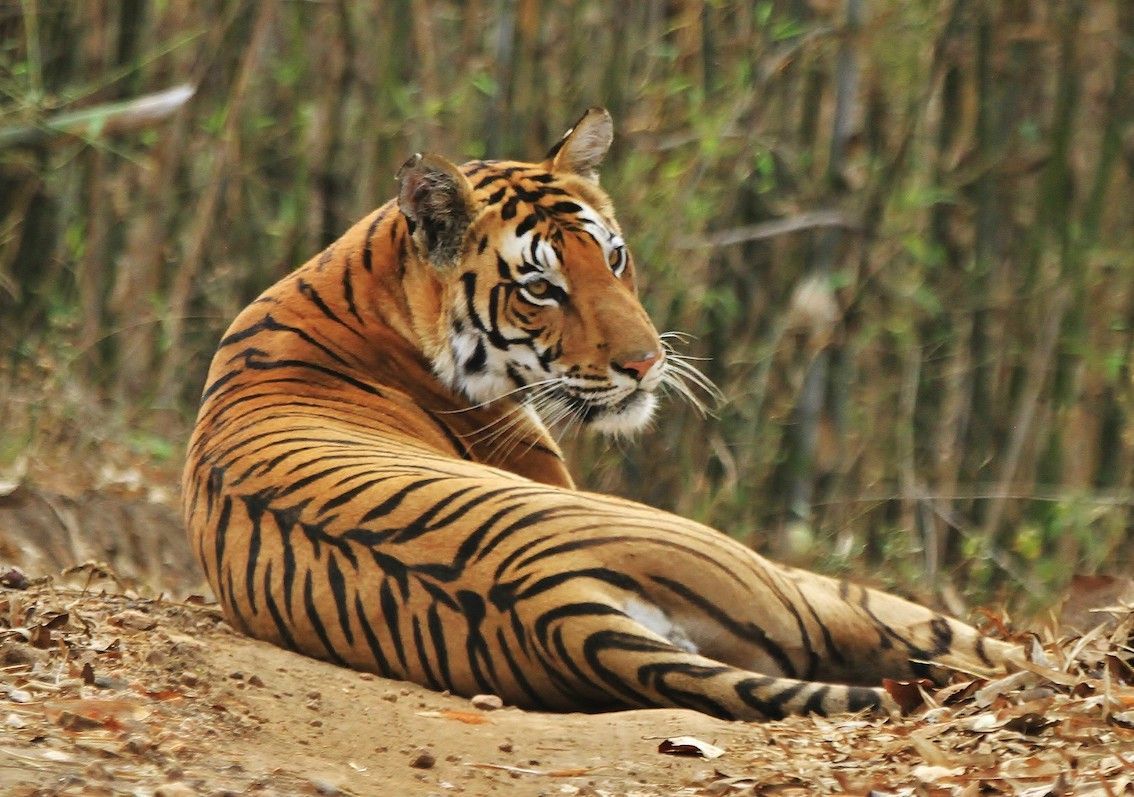
In these more enlightened times, as the Indians realised the enormous power that the tiger and his accompanying animal friends have in attracting humans to gawp at them, the tiger numbers have in the last 20 years jumped from barely 1400 to well over 3700. Whilst all of these national parks are huge by our own domestic standards, us tourists are only allowed in 20% of the overall area, thus giving all the wildlife more security and isolation when needed.
The tourist lodges that surround these national parks have also improved significantly from very basic amenities and ill prepared food, to the vast majority who now would be classed 3 /4 * with cuisine to match. Boutique is now a byword in the hotel industry and many lodges could now be classed as such. Our favourite, in Kanha of course. is Meru Vann. The name "Meru Vann" can be interpreted as "Forest of Meru" or "Sacred Forest," reflecting the hotel's tranquil setting within the overall lush landscapes of Kanha National Park. This name signifies a place where guests can immerse themselves in nature while enjoying a serene and spiritual atmosphere. The current owner stripped it down and refurbished the whole site to a very high standard with staff and naturalists second to none.
So, as Shere Khan’s descendants are now revered and protected, they do seem to be more at ease with us humans. Uncannily, they seem to realise that we love them and wish them no harm and thus the feeling is mutual…. well almost.
We see small groups of local forest workers strolling through tiger country, and occasionally even single people, who have no fear. Whilst we always stay at a respectful distance, keep still and quiet, a tiger has been known to come very close to our vehicle to inspect us. The Bengal tiger is similar to other cats big and small, even our own domestic ones.... they are just curious.
Yes, Mowgli would have no problem nowadays.
Graham Brace November 2026
Please let us point you in the right direction:
or contact our travel agent directly: sharad@naturesafariindia.com