INDIA – EAST TO WEST
by Graham Brace
For those who have read my previous articles on India, you may wonder what is the fascination that makes us return time and time again. Apart from the myriad of cultural highlights, Agra and the Taj Mahal being the most obvious, the wildlife is more diverse than most people realise.
The Bengal Tiger is the major draw for most people, and indeed it is for us. When you first enter one of the famous national parks and realise that the forest is similar to home, that is the first shock, but when you run into herds of spotted deer and langur monkeys you realise it is somewhat different. Then, if on your first game drive, one of those majestic stripey creatures breaks cover in front of you, you quickly know that life in a forest will never be the same.
I have already said that it is ‘not just tigers’. Africa has the Big 5 and many other furry and feathered species that will entrance you, but few will know that India has elephants, lions, rhinos and more recently, cheetahs. Cheetahs were indigenous to India until approx. 1950 when the last one was hunted to extinction. Enlightened conservationists re-introduced this big cat approx. 5 years ago in a Madhya Pradesh national park. Initial difficulties were overcome and now there is a growing population which will in time draw in more tourist trade. The lions in Gujarat are prolific and are now out-growing the limits of Gir National Park in the South of Gujarat. For serious wildlifers they are difficult not to see.
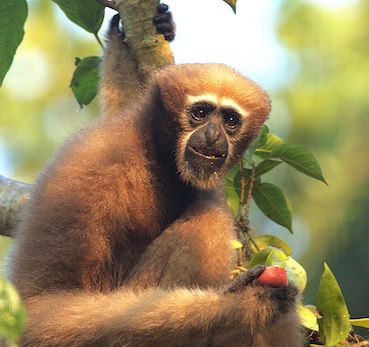
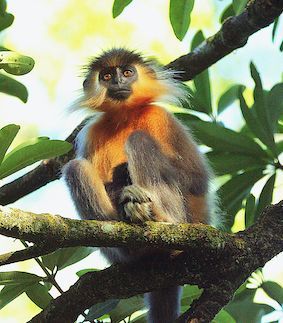
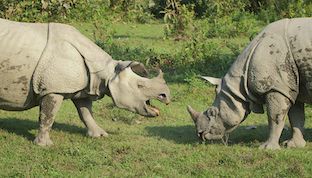
The North East, Assam, is famous worldwide along with Darjeeling, as it is known for its wonderful tea plantations. For us, there are some special animals that draw us to the national parks of Kaziranga and Manas. The former being most famous for its population of one horned rhino; over 3000 at the last count, and you are guaranteed to see them as we did on the last trip. The rare Hoolock Gibbon, the one ape in India, is only seen here. In Manas, the equally rare Black Capped Langur monkey was seen only once. What a privilege it was to see these special animals so closely related to us homo sapiens.
Two particular sightings stand out, the one where it reminded us of the old adage…never underestimate a mother’s love. A female rhino was out and about with her 18-month-old offspring when a large male decided he would get between them. No way…. she fronted up to him (see the photo) told him to back off, and he did!
The second underlined for us who is really king of the jungle. The scenario included two large water buffalo, who remained onlookers, a small herd of elephants, and one very dangerous rhino. The rhino had decided that he wanted to worry one of the smaller elephants. He kept approaching the herd, getting nearer and nearer to his ‘prey’. The matriarch decided enough was enough and started a mini charge towards the offending rhino. The latter turned and bid a hasty retreat. Nothing should get in the way of an angry elephant, even 2-3 ton rhino!
With the rhinos at least, our favourite adage ‘wildlife is never guaranteed’, was totally dispelled. Strangely, the more famous white and black rhinos of Africa are much more difficult to find. Very worryingly, the latter are critically endangered and one subspecies was declared extinct recently.
But, Assam was a great success.
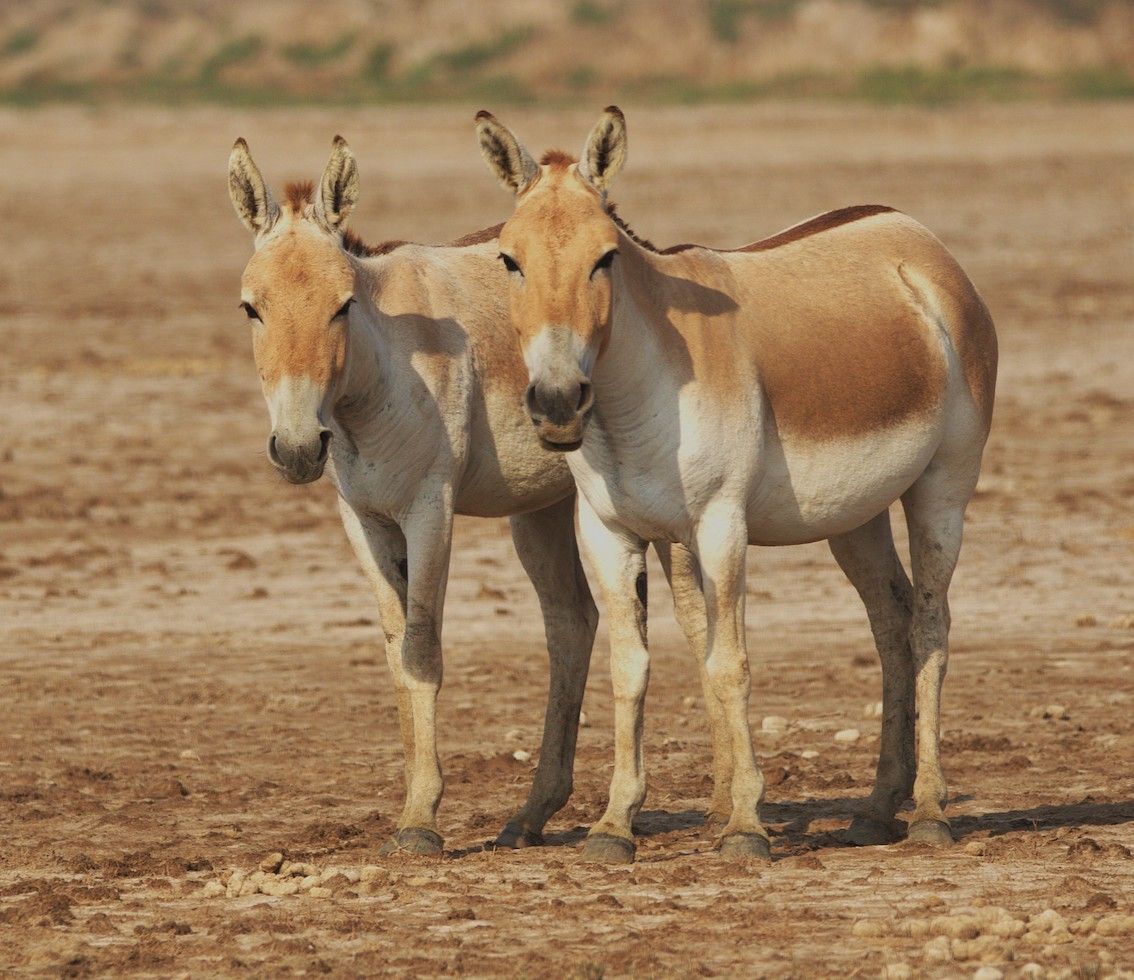
For our second week, it was a return West to Gujarat, but not to see the lions this time. From Guwahati in Assam to Ahmedabad is approximately 1100 miles, so an internal flight and a 3-hour drive is required; as said before, not for the faint hearted. However, the vast salt pans of the Little Rann of Kutch are a great draw. They cover an area of approx. 5000 sq. kilometres, over 3.5 times the size of Greater London. It has an underlying salt water table, so when the surface water recedes after October the ground looks cracked and starched like a dried-out lake that has not seen water for decades.
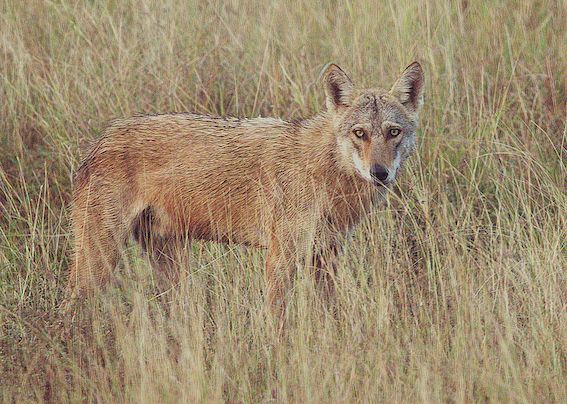
However, this strange unique environment does have pockets of greenery that allows the Asian Wild Asses to graze. These beautiful creatures abound here along with other very rare inhabitants such as Indian Fox, Striped Hyena and even Indian Wolf. Apart from the Asses (Knurs as they are known) the remainder are extremely difficult to find. We had a fantastic guide who found one of the rarest for us….the Desert Fox
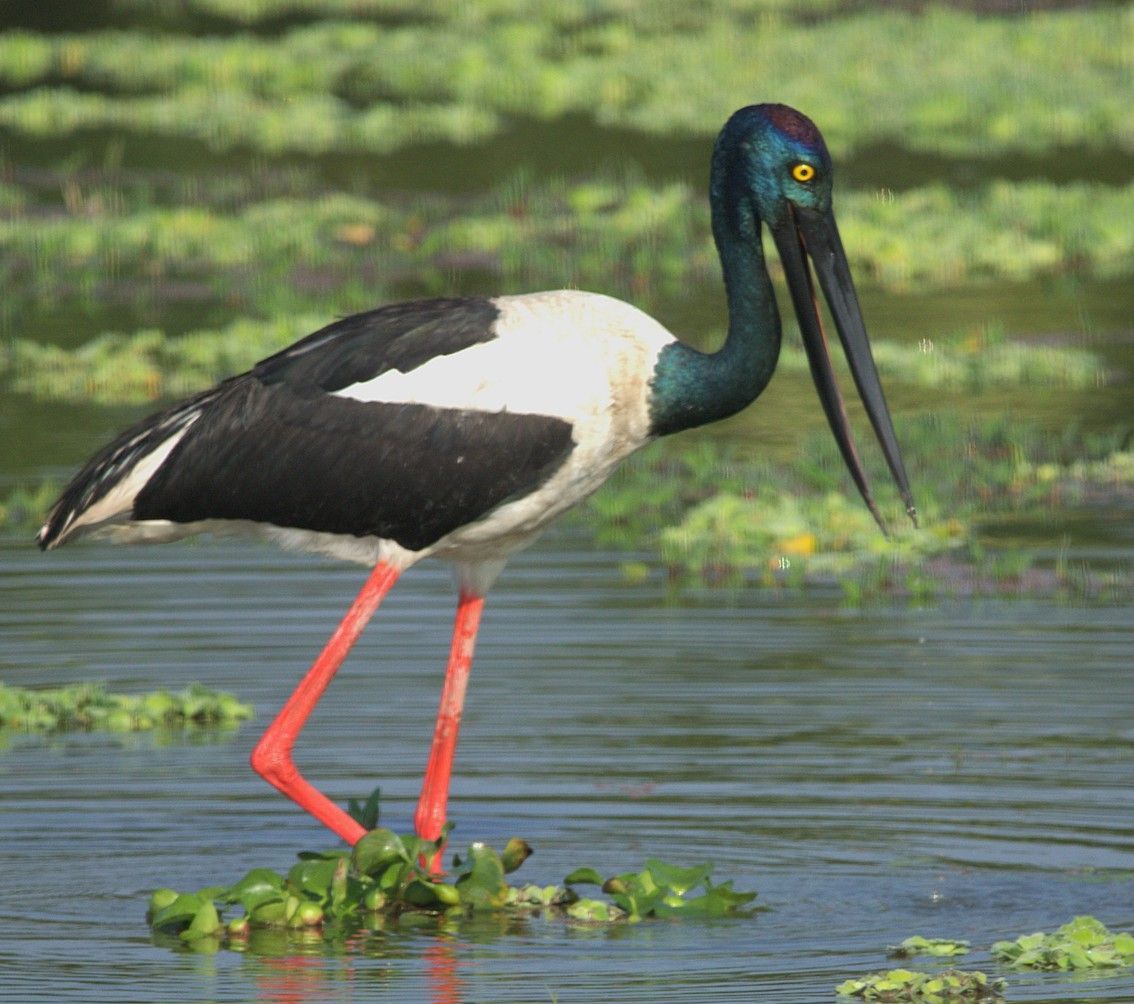
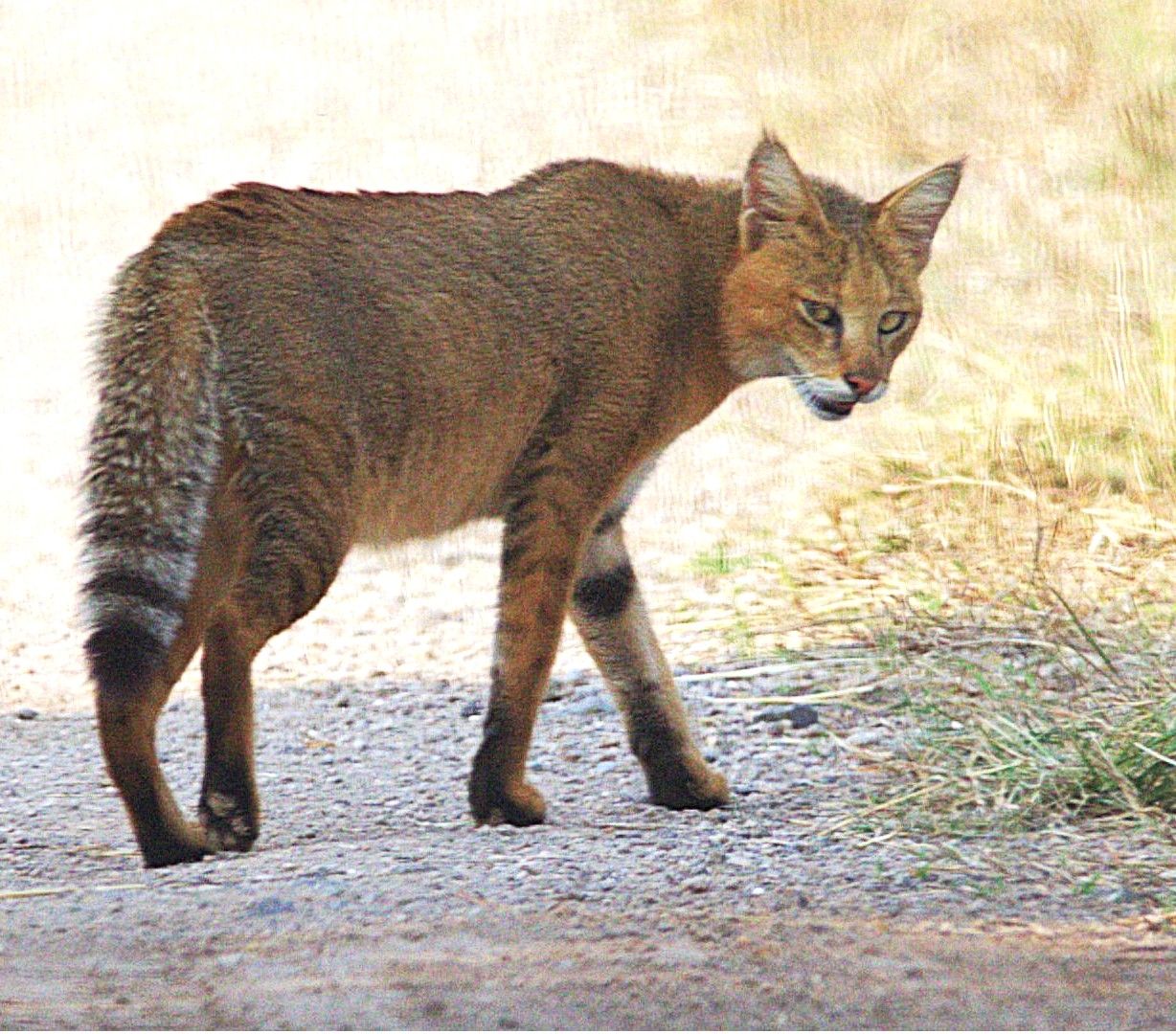
We spent 3 days here, then on to Blackbuck National Park, famous for the eponymous black antelope found in no other area. It is only 15 sq. miles, tiny by Indian standards but is home to all those mammals previously mentioned. In particular, on our first drive, we spotted the Indian Wolf just 20 yards away in the dense grass. He had a small kill and was intent on us not seeing it, but we persevered and captured a shot of this fabulous creature in action. We reported on our last trip here seeing some 4 or 5 Jungle Cats; this time it was 12 number! These beautiful wild felines are supposedly in nearly all national parks, but after many safari trips, we have only seen them here. It is also the best place in the world to see Montagu and Hen Harriers. Between these two parks, we photographed 5 different eagle species, along with Herons, Buzzards, Owls, and a myriad of other birds.
Such is the diversity in India that it does rival Africa in many ways, but it is our intention to delve deeper into both.
Each have their own beauty and wonder.
Do please contact us for more information, and we will point you in the right direction….
or contact our travel company direct …..
https://www.naturesafariindia.com
Graham Brace December 2025 Images: Graham Brace