
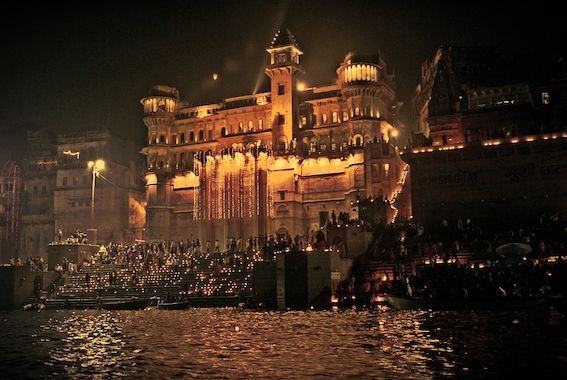
Inside BrijRama Palace: Sleeping Like Royalty on the Ghats of Varanasi
By Kate Morfoot
Intro
Varanasi has many names, Varanasi, Banaras and Kashi, but whatever you choose to call it, this ancient city has a presence unlike anywhere else in India. Often described as the spiritual capital of the country, it is one of the world’s oldest continuously inhabited cities and one of Hinduism’s holiest destinations.
Here, life, death, devotion and daily rituals unfold along the sacred Ganges. The ghats are alive from dawn, pilgrims gather at the water to take their ritual dip in the sacred river, temple bells mingle with chanting and, as evening falls, the Ganga Aarti transforms the river into a theatre of light, fire and prayer. It is a city that can feel overwhelming, mesmerising and deeply moving all at once.
And then there is BrijRama Palace...
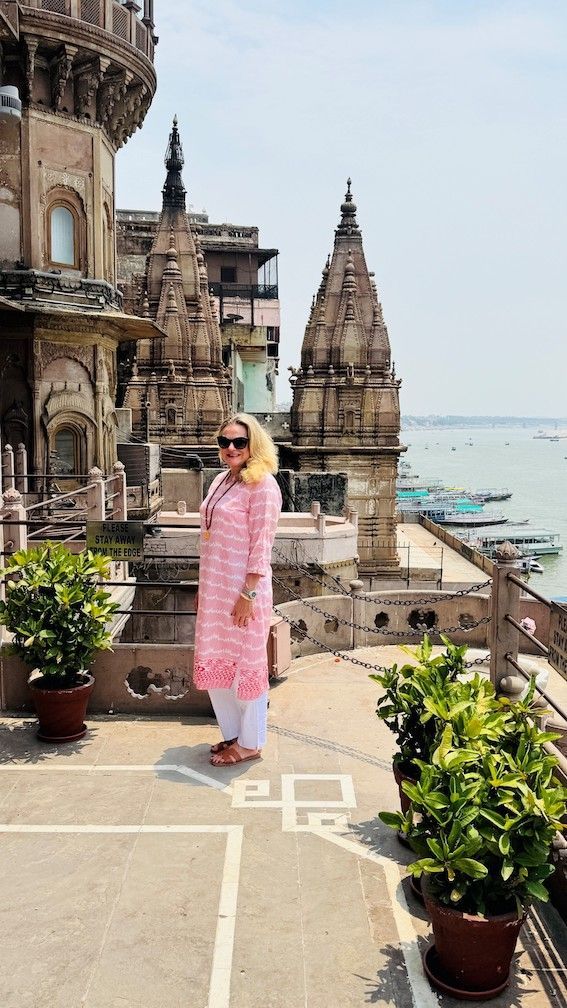
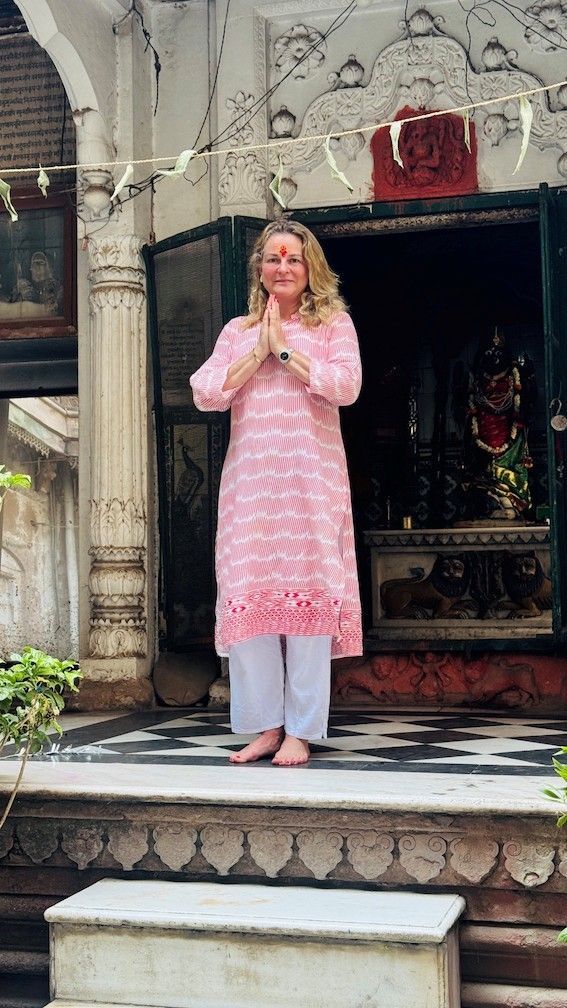
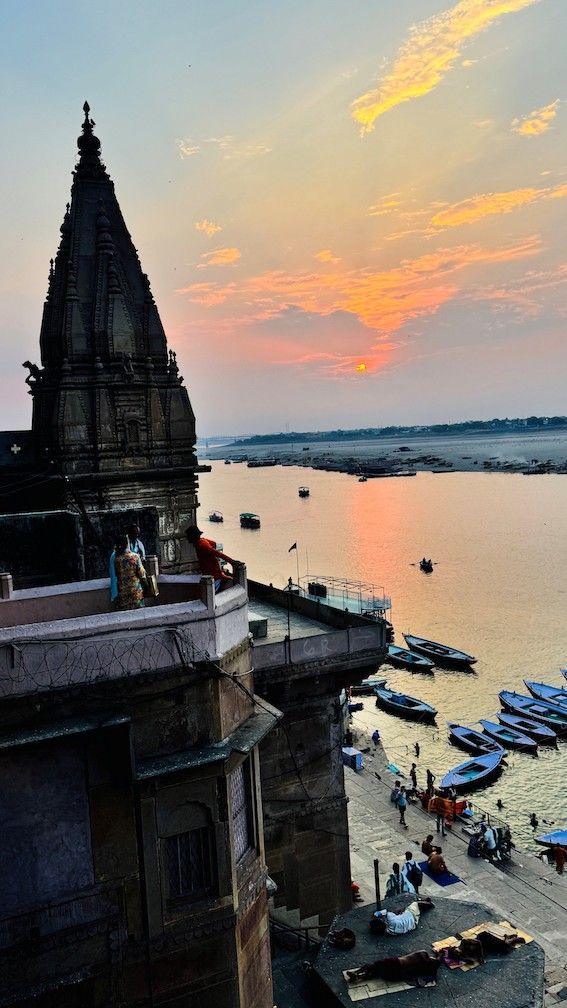
Perched on Darbhanga Ghat overlooking the Ganges, this extraordinary 19th-century heritage palace offers a rare opportunity to experience Varanasi from within its history rather than simply visit it. Arriving by boat at the foot of the ghat, climbing the ancient steps and being welcomed with beads and a traditional Hindu blessing sets the tone for a stay that feels far more like a spiritual journey than a hotel check-in.
Hotel
BrijRama Palace is a place where history is tangible.
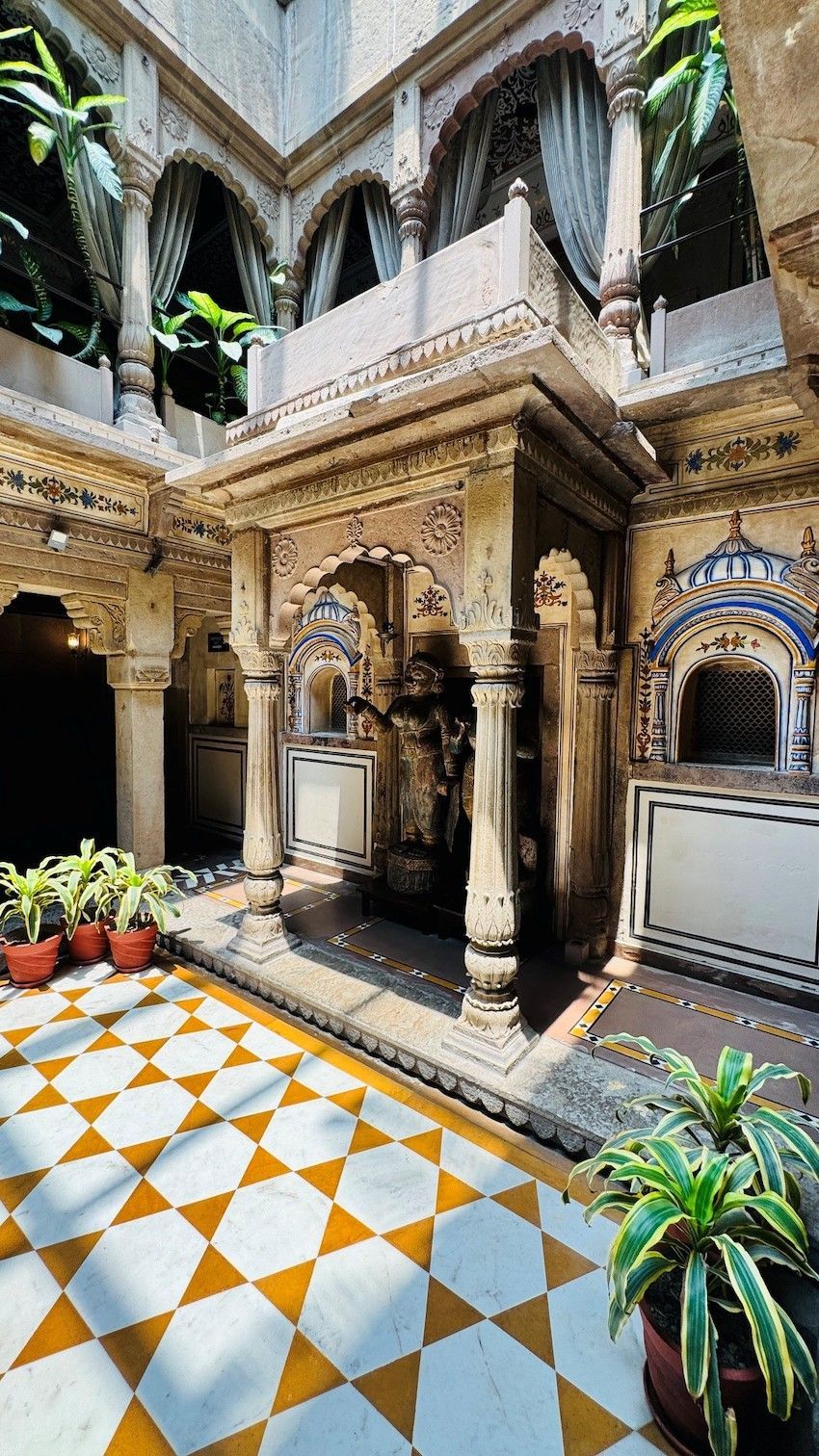
The core building dates to around 1812 and was later associated with the Darbhanga royal family. Once a setting for classical music and dancing, the palace has witnessed generations of life along the Ganges and today echoes with those royal footsteps once again.
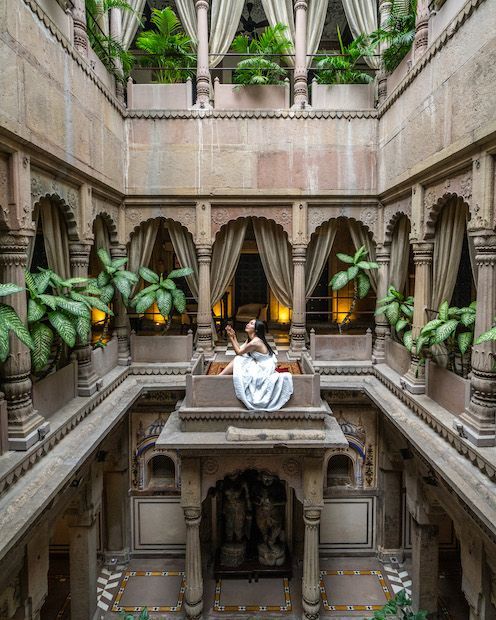
It took 18 years to bring this remarkable structure back to life. Restoring the palace required more than simply repairing an old building. Sandstone had to be sourced from Chunar, almost 70km away, and transported through the narrow streets of Kashi, an extraordinary undertaking that gives an added appreciation of what has been achieved. The result is impressive. Ancient architecture and sandstone walls have been carefully preserved while modern luxury has been discreetly woven into the building. With just 32 rooms, BrijRama feels intimate rather than imposing, despite its grand history.
The location is arguably its greatest luxury. The Ganges is everywhere, from balconies overlooking the sacred river to the boats passing below and the constant rhythm of the ghats beyond. This is not a hotel where you need to leave the property to feel Varanasi; the city comes to you.
Brij Hotels is part of the IHCL brandscape and BrijRama reflects the group's philosophy of slow luxury: thoughtful experiences, a strong sense of place and the freedom to enjoy a destination without feeling hurried. That philosophy is evident in the small touches. Anytime Breakfast means there is no need to set an alarm simply to make a restaurant sitting, while breakfast in bed turns the morning into an occasion in itself. Complimentary high tea offers another excuse to stop and admire the river.
Service is warm, attentive and wonderfully suited to the setting. The welcome is particularly memorable. The goodbye is equally thoughtful. A departure pooja marks the end of the stay, followed by a journey bracelet and a copy of the ancient Indian spiritual text Srimad Bhagavad Gita, a tangible reminder of the experience and a lovely way to mark the end of the stay.
Room
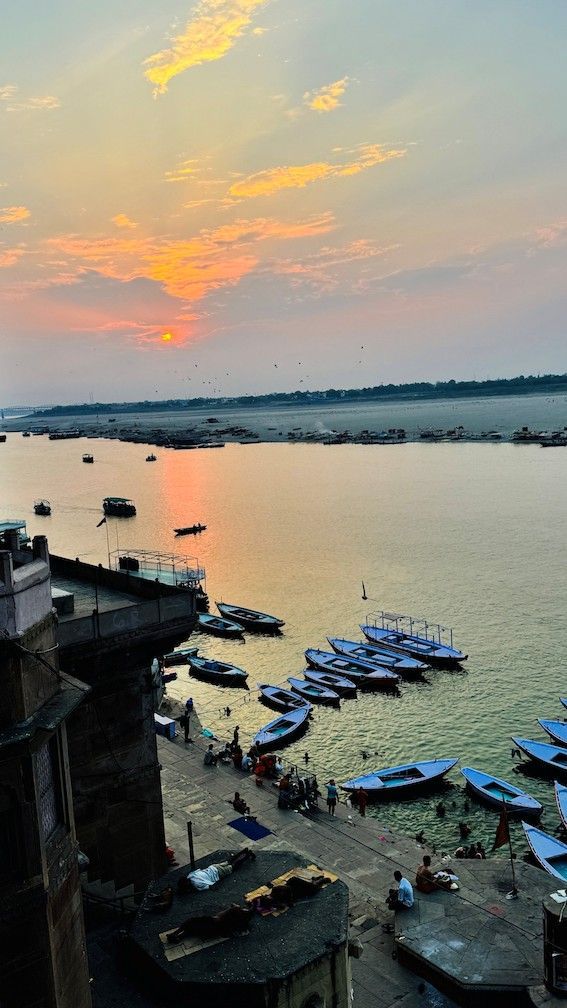
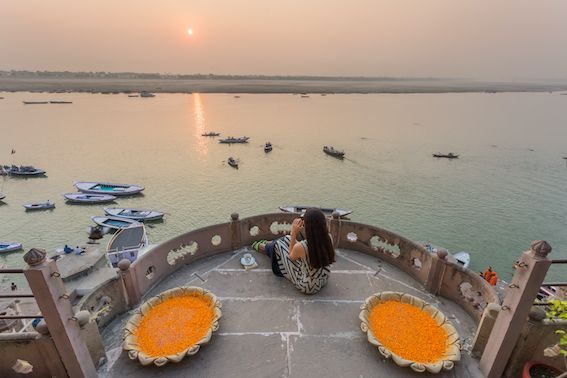
There is something extraordinary about waking up above the Ganges. The river changes constantly, and from the rooms and balconies at BrijRama there is a front-row view of life unfolding along the ghats. Boats drift past, pilgrims gather at the water to take their ritual dip in the sacred Ganges, and the city gradually wakes around the heritage walls.
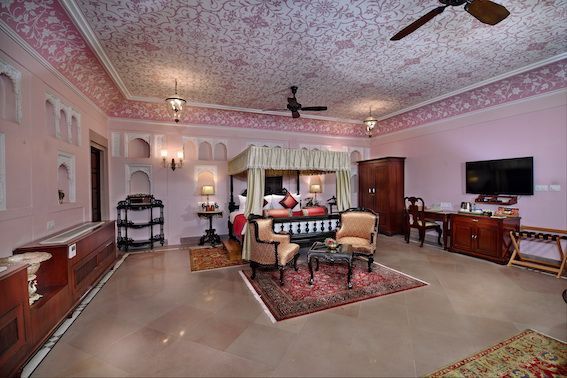
Inside, the rooms combine the character of the historic palace with a wonderfully comfortable sense of modern luxury. The bed linen is made from beautiful Banarasi silks, with intricate embroidery adding a subtle connection to the city’s renowned textile heritage. Soft cotton, fluffy towels and carefully considered details make the rooms feel inviting rather than overly formal. There are also lovely little surprises. In the afternoon, Indian sweet treats arrive in the room, a small but thoughtful gesture that adds to the feeling of being looked after. Modern comforts include sustainable toiletries, Dyson hairdryers and Japanese-style toilets, proving that staying in a historic palace does not mean sacrificing contemporary convenience. And despite being in the heart of one of India's busiest and most atmospheric cities, the rooms are remarkably peaceful. Once the door closes, there is a wonderful sense of calm. The sounds of Varanasi become distant, leaving the Ganges and the gentle rhythm of the river as the backdrop.
But the greatest luxury remains the setting. Sitting on a balcony overlooking the sacred river, watching boats move slowly along the Ganges, is an experience that no amount of modern design could replicate. This is quite literally a case of sleeping where kings once did, with modern luxury woven into ancient walls.
Food
Food is one of BrijRama Palace's greatest strengths, and Aangan takes the culinary experience well beyond a conventional hotel restaurant.
The ten-course journey has been created as a story rather than simply a tasting menu. Each dish represents part of the heritage, legacy and history of BrijRama Palace, taking guests through the stories of its three guardians. It is a gastronomic journey through the heritage and legacy of the palace, with each dish telling another chapter of its story. The concept makes dining at Aangan feel like an extension of the hotel experience rather than simply a meal.
My favourite dishes were the tender coconut ceviche infused with jasmine oil and cauliflower croquettes, both beautifully executed dishes that stood out among an already memorable succession of courses. Breakfast is equally impressive, offering an indulgent spread that brings together traditional Indian flavours and familiar favourites. Freshly cut mangoes and seasonal fruit sit alongside yoghurts, freshly baked breads and a selection of pancakes, French toast and waffles. There is also a choice of fresh juices, chai and excellent coffee.
For those wanting to explore the flavours of Varanasi, the Indian selection is particularly good, with Banarasi specialities including kale chane ki bhaji with gol kachori, as well as idli and medu vada and a dosa of the day, perhaps aloo, paneer or Mysore. A selection of parathas includes aloo, gobhi and paneer. It is the kind of breakfast that encourages you to linger and with the option of Anytime Breakfast or even taking it in bed, there is certainly no reason to rush. And then there is the paan. A proper Banarasi paan is an essential part of the experience and, like so much at BrijRama, connects the guest directly to the traditions of the city
Spa
Wellness at BrijRama is deliberately understated. Rather than taking a conventional spa-heavy approach, the hotel focuses on experiences that encourage guests to slow down and reconnect with their surroundings. Yoga and meditation provide moments of calm, while the complimentary fifteen minute foot massage is particularly welcome after a day exploring the ghats and winding streets of Varanasi.
It is another example of the hotel's slow-luxury philosophy: experiences are designed not simply to fill your itinerary, but to give you time to pause.
Top Sights in Varanasi
There is enough to keep even the most enthusiastic traveller busy in Varanasi, but the key is to allow time to experience the city rather than simply tick off its sights.
Kashi Vishwanath Temple – the Golden Temple
One of Hinduism's most revered temples, Kashi Vishwanath is dedicated to Lord Shiva and is one of the city's most important pilgrimage sites. Its golden spires have earned it the nickname Golden Temple. The temple is located in the heart of the old city, close to the ghats.
Dashashwamedh Ghat and the Ganga Aarti
The spectacular evening Ganga Aarti is one of Varanasi's defining experiences. Priests perform the ceremony beside the Ganges as devotional music, bells and chanting fill the air. From BrijRama Palace, guests can take the hotel's boat to watch the evening Aarti from the river, offering a memorable perspective away from the crowds on the ghat.
Sarnath
Around 10km from Varanasi, Sarnath is where Buddha is traditionally believed to have delivered his first sermon after enlightenment. The archaeological site, Dhamek Stupa and museum provide a fascinating contrast to the Hindu spirituality of Varanasi itself.
Assi Ghat
At the southern end of the main stretch of Varanasi's ghats, Assi Ghat offers a slightly more relaxed atmosphere. It is particularly atmospheric in the early morning, when the river, temples and surrounding city begin to stir.
Explore the ghats and old city
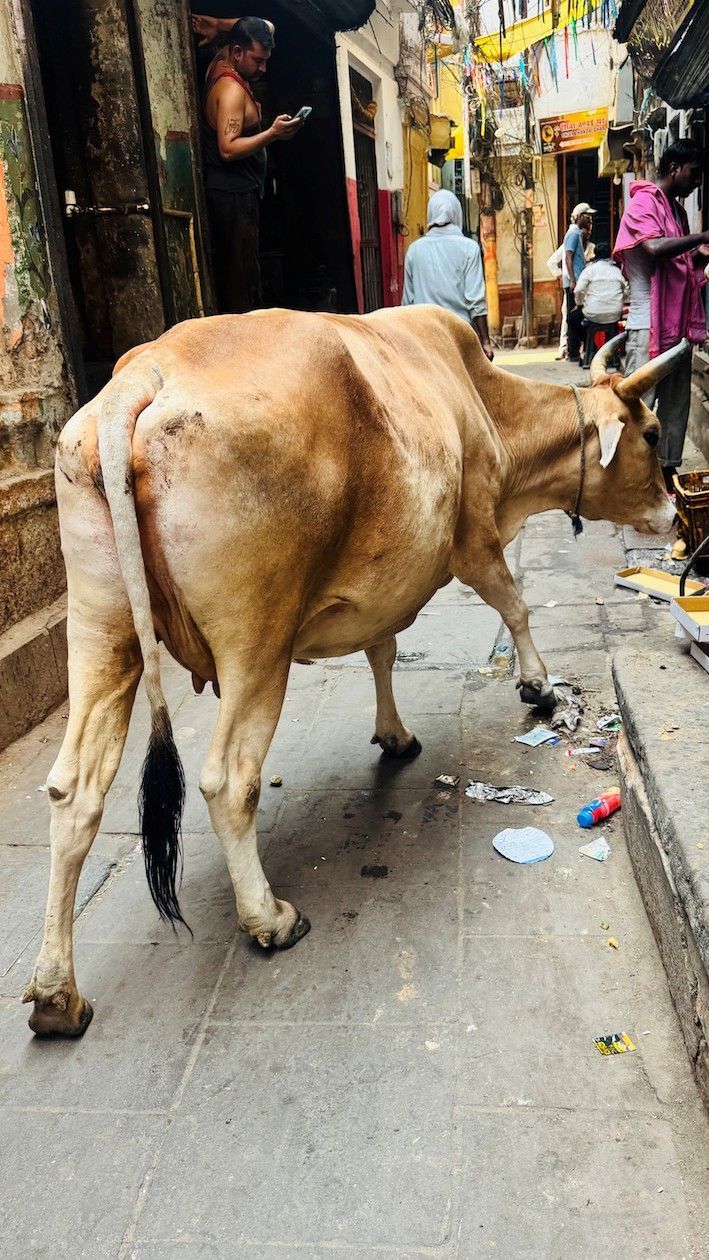
Perhaps the best way to experience Varanasi is simply to wander. The city's ghats stretch along the Ganges, each with its own character and history, while the narrow lanes behind them reveal temples, markets, silk workshops, flower sellers, street food and the everyday life of Kashi. The official district tourism site lists 88 ghats across the city.
Back at BrijRama, the temptation is to slow down and let Varanasi come to you. A river boat dining experience offers a spectacular perspective of the ghats, while the hotel’s complimentary boat to the evening Ganga Aarti is unforgettable.
The palace also offers a selection of complimentary experiences, including yoga, meditation, a classical dance performance, Banarasi paan and a 30 minute foot massage. Yet sometimes the best thing to do is nothing at all. Sit by the river. Have the high tea. Watch the boats. Take breakfast in bed. Let the noise of Varanasi become part of the soundtrack. That, perhaps, is the essence of slow luxury.
Getting there
The arrival at BrijRama Palace is an experience in itself. Rather than approaching the hotel by road, guests arrive by boat on the Ganges, with the palace gradually coming into view as the boat approaches Darbhanga Ghat. Stepping ashore and climbing the ghat steps, surrounded by the sights and sounds of Varanasi, creates a dramatic sense of arrival. The welcome with beads and a traditional Hindu blessing completes the ritual.
It is difficult to imagine a more atmospheric way to check into a hotel.
In a nutshell
BrijRama Palace does something that very few luxury hotels can achieve: it makes the destination itself the star. From the moment you arrive by boat, receive a traditional blessing and climb the ancient ghat steps, there is a sense that you have crossed a threshold. You are no longer simply visiting Varanasi; for a few days, you are living within it.
The 19th-century palace, its royal history and painstaking 18-year restoration provide the setting, but it is the combination of place, service and experience that makes the stay memorable. The staff bring a warmth and majesty to the service that suits the building, without making it feel formal or stuffy. It is there when you arrive, flowing beneath the palace walls. It is there from your balcony at breakfast. It is there during an evening boat ride as the lights of the Ganga Aarti shimmer across the water. And it is there when you leave, taking with you your journey bracelet and spiritual book.
BrijRama Palace is more than a beautiful heritage hotel. It is a gateway into Varanasi's history, spirituality and extraordinary sense of place. Sometimes luxury is about having everything. Here, it is about having time to appreciate where you are.
Kate Morfoot October 2026
Fact box
How To Get There:
Fly from Delhi to Varanasi with IndiGO, the hotel makes arrangements for the airport transfers via taxi and boat arrival to the hotel.
Rooms can be booked from £200 per room per night, including breakfast
Address: BrijRama Palace, Darbhanga Ghat, Varanasi, Uttar Pradesh, India
Phone: +91 80690 57704
Email: reservations@brijhotels.com
Website: www.brijhotels.com
About the Writer:
Kate Morfoot is a freelance travel writer, author and founder of Jungle PR Ltd, with a passion for discovering the world’s most captivating destinations and sharing the stories behind them. Through immersive storytelling, she celebrates extraordinary landscapes, hidden gems, authentic experiences, inspiring people and exceptional places to stay.
Alongside her travel writing, Kate is the author of Kerala and South India Travel Smart Guide and brings more than two decades of experience in communications and storytelling to her work. Follow her journeys on Instagram at @love2eat2travel.